 By Bemi Brooks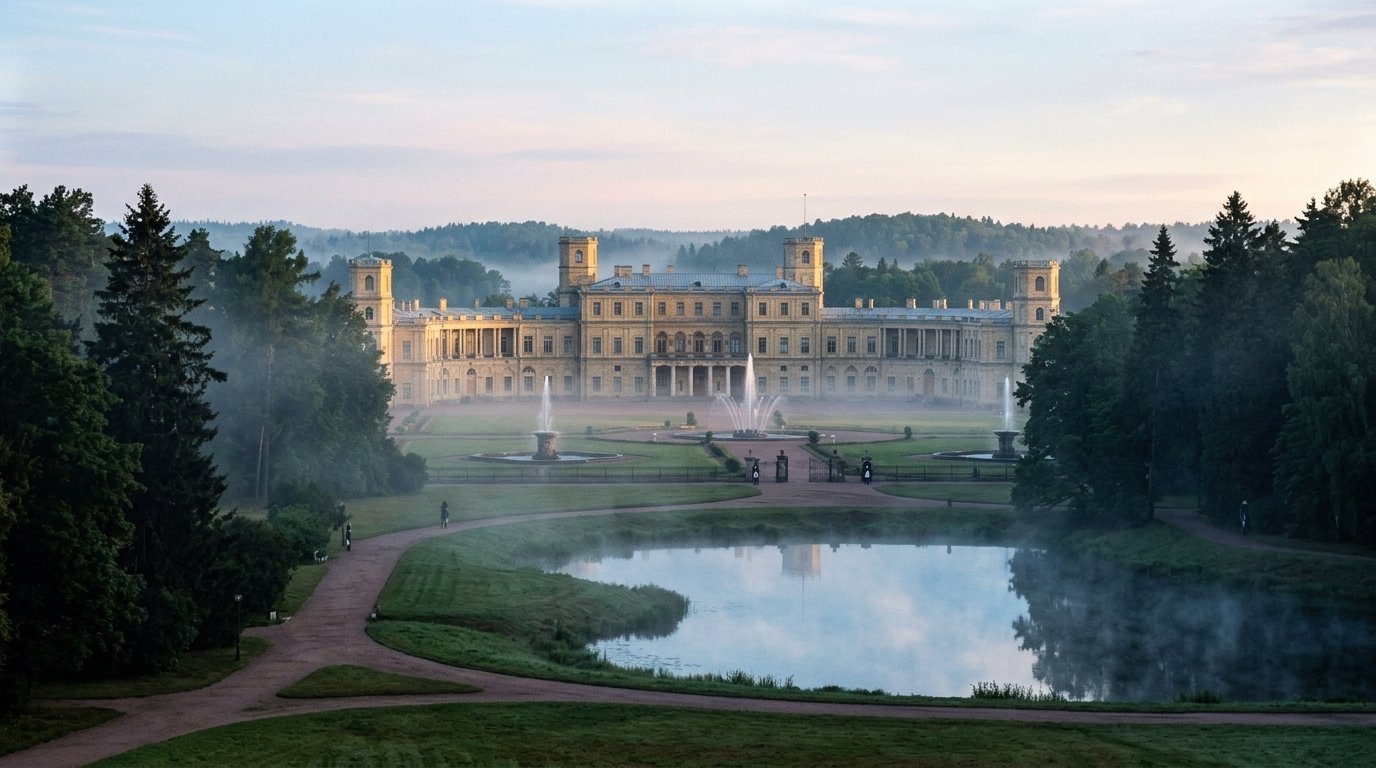
Picture this: you slip behind a hidden door in one of the Russian Empire’s grandest palaces and discover furniture that turns 18th-century decor into something far more provocative. That’s the tantalizing promise behind the legend of Catherine the Great furniture. For centuries, whispers about her so-called Erotic Cabinet have mixed royal scandal with genuine historical curiosity. Was Russia’s most powerful empress really commissioning pieces that blended neoclassicism with outright decadence? Or is this just another layer of tabloid-style gossip layered onto her already colorful life?
Let’s dive in together and separate the spicy myths from the solid facts. We’ll explore the craftsmanship, the palaces involved, and what might have happened to these treasures during the chaos of World War II. By the end, you’ll see how one woman’s private desires (real or rumored) still captivate art historians, collectors of unusual erotica, and anyone who loves a good royal mystery.
The Allure of the Erotic Cabinet: Why Catherine the Great Furniture Still Fascinates Us
Catherine the Great furniture carries a unique charge because it sits at the crossroads of imperial power and personal freedom. Empress Catherine II ruled the Russian Empire from 1762 to 1796 with an iron will and an Enlightenment mind. She expanded borders, modernized the state, and built palaces like Peterhof Palace and Gatchina Palace that still awe visitors today. Yet her private life, filled with influential lovers and a taste for the finer (and sometimes racier) things, has always invited speculation.
The Erotic Cabinet legend claims she created a secret salon stocked with furniture that celebrated the human body in the most explicit ways. Think tables supported by carved phalluses, chairs featuring intimate anatomical details, and walls alive with erotic scenes. These weren’t just decorative touches. According to the stories, they reflected her unapologetic embrace of sensuality in an era when women in power faced constant judgment.
What makes this tale so sticky for modern fans of dark royal trivia? It humanizes Catherine. She wasn’t just a conqueror or patron of Voltaire. She was a woman who reportedly carved out space for pleasure amid the pressures of empire. But does the evidence back it up? That’s where things get intriguing.
Who Was Empress Catherine II? Beyond the Bedroom Rumors
Before we tackle the furniture myths, let’s ground ourselves in the real woman. Born Sophie of Anhalt-Zerbst in Prussia in 1729, she married the future Peter III and transformed herself into Catherine the Great. After a palace coup in 1762, she ruled with vision and grit. She championed neoclassicism in art and architecture, amassing one of Europe’s finest collections for the Hermitage.
Her love life was no secret. She had several long-term favorites, including Grigory Potemkin, and she rewarded loyalty generously. Yet Catherine also navigated relentless gossip from enemies who painted her as decadent or immoral. In that context, tales of Catherine the Great furniture fit right into a pattern of scandal-mongering that followed powerful women throughout history.
She did commission stunning furnishings for her palaces. French and Russian craftsmen produced elegant neoclassical pieces: gilded consoles, marquetry tables, and upholstered settees that blended functionality with imperial splendor. But explicit erotica? That’s where the historical record grows quiet.
Unpacking the Legends: What the Rumors Claim About Her Private Chambers
The stories paint a vivid picture. Supposedly, Catherine ordered an Erotic Cabinet built adjacent to her private suites, perhaps at Gatchina Palace. Inside, every surface told a story of desire. Tables stood on legs shaped like erect phalluses. Chairs incorporated female genitalia into their designs. Doorknobs took phallic forms, and hidden compartments supposedly held erotic prints or small sculptures inspired by Pompeii finds.
Some versions add that the room featured statues of nude figures and walls covered in scenes that would make even seasoned collectors of eighteenth-century erotica blush. The furniture supposedly mixed Rococo playfulness with bold sensuality, a far cry from the restrained neoclassicism Catherine publicly favored.
These details spread through word of mouth long after her death. By the early 20th century, the legend had taken on a life of its own, fueled by books and whispers about the empress’s “decadence.” Collectors of unusual erotica still hunt for similar pieces today, wondering if any authentic Catherine the Great furniture survived.
The World War II Connection: Lost Treasures and Grainy Photographs
Here’s where the tale gets its most dramatic twist. During the Nazi invasion of the Soviet Union in 1941, German soldiers reportedly stumbled upon the Erotic Cabinet while exploring damaged palaces like those near Peterhof or Gatchina. A handful of black-and-white photos allegedly surfaced, showing two striking pieces: a table with elaborate genital carvings and a chair adorned with explicit motifs.
The story goes that the soldiers snapped the images before the palaces were bombed and burned. Much of the Russian Empire’s artistic heritage suffered terrible losses in those years. Palaces were looted, treasures scattered, and entire rooms reduced to rubble. If the erotic furniture existed, it likely vanished in the flames or was carried off as wartime spoils.
Yet historians treat these photos with heavy skepticism. No official Wehrmacht reports confirm the find. The images circulate online today, but experts can’t verify their origin or link them definitively to Catherine’s collections. Some believe they show later creations or even staged pieces meant to titillate rather than document history. Either way, the World War II lost treasures angle adds a layer of tragedy and mystery that keeps the legend alive.
Historical Evidence: Debunking the Myths with Scholarly Eyes
So, did Catherine the Great furniture of this scandalous variety actually exist? The short answer from most art historians is no, or at least not in the way the legends describe.
Contemporary records from her reign mention no such commission. Catherine’s extensive correspondence and palace inventories focus on neoclassical elegance, not erotic excess. Her son, Paul I, who succeeded her, reportedly disliked his mother’s more flamboyant tastes and may have hidden or removed anything remotely controversial.
The Erotic Cabinet story didn’t surface until decades after her death, gaining traction in the 19th and 20th centuries through sensational biographies. It fits a pattern of posthumous gossip aimed at discrediting strong female rulers. Similar tales dogged other European royals, turning private lives into public entertainment.
That said, Catherine was no prude. She collected art with sensual themes, supported theater that pushed boundaries, and lived openly with lovers. It’s entirely possible she enjoyed provocative decor in her most private spaces. But the specific phallic tables and genital chairs remain unproven. They belong more to the realm of “dark” royal trivia than verified fact.
For comparison, here’s a quick breakdown:
| Myth | Fact |
|---|---|
| Catherine personally ordered phallus-legged tables and erotic chairs for a secret cabinet. | No 18th-century documents or inventories mention such pieces. |
| German soldiers photographed the collection in 1941 before it was destroyed. | Photos exist online but lack provenance; no official records support the discovery. |
| The furniture mixed Rococo eroticism with imperial luxury. | Catherine favored neoclassicism; any erotic items would have been outliers. |
| The collection survived in some form after World War II. | Palaces suffered massive damage; most treasures were lost or relocated. |
This table shows how the narrative blends real historical gaps with imaginative storytelling.
The Craftsmanship Angle: What Real Eighteenth-Century Furniture Looked Like
Even if the wildest rumors prove false, Catherine the Great furniture remains a masterclass in 18th-century design. Russian and imported French artisans created pieces with intricate inlays, gilded bronze mounts, and silk upholstery. Neoclassicism ruled: clean lines, mythological motifs, and a sense of enlightened harmony.
Imagine a typical console table from her era: marble top, tapered legs, and subtle carvings of laurel leaves or classical figures. These items weren’t just functional. They projected power and cultural sophistication across the Russian Empire. Skilled craftsmen worked under strict court standards, blending local woods with imported luxuries.
If any erotic elements existed, they might have appeared in smaller, more personal objects, perhaps inspired by French libertine traditions. But the grand public collections stayed tasteful. Today’s museums display surviving examples at Peterhof Palace and elsewhere, letting visitors admire the real artistry without the scandal.
What Happened to the Alleged Collection? Tracing the Mystery
The fate of any supposed Catherine the Great furniture ties directly to the turmoil of the 20th century. After the Russian Revolution, many imperial items were nationalized, sold, or hidden. World War II delivered the final blow to sites like Gatchina Palace. Bombing, fires, and looting claimed countless artifacts.
Some enthusiasts cling to hope that pieces survived in private collections or obscure storage. A few similar erotic furnishings from the period have appeared at auction over the years, but none carry ironclad links to the empress. The mystery endures because it taps into our love for hidden histories and lost treasures.
Art historians continue to study palace archives and wartime records for clues. Until new evidence emerges, the Erotic Cabinet remains a compelling “what if” that enriches our understanding of Catherine’s era.
Why This Story Matters for History Buffs and Collectors Today
Exploring Catherine the Great furniture reminds us that history isn’t just dates and battles. It’s about people with desires, flaws, and secrets. For collectors of unusual erotica, the legend offers inspiration. For art historians, it highlights how rumor can overshadow real achievement. And for anyone drawn to scandalous royal trivia, it delivers pure intrigue.
Next time you tour a Russian palace or browse an antique fair, look closer at the furnishings. Ask yourself what stories they might hide. You might not find phallic tables, but you’ll uncover layers of craftsmanship and human complexity that make the past feel alive.
What do you think? Does the lack of proof make the legend less fun, or does it add to the allure? Drop your thoughts in the comments. If you’re planning a trip to Peterhof Palace or diving into books on the Russian Empire, these tales will give you plenty to discuss with fellow enthusiasts.
FAQs
Did Catherine the Great really own erotic furniture?
Most historians say no. The stories of an Erotic Cabinet with explicit pieces emerged long after her death and lack supporting documents from her lifetime.
Where was the alleged secret collection located?
Rumors point to Gatchina Palace or areas near Peterhof Palace, but no verified records confirm a dedicated erotic salon in any imperial residence.
What happened to the furniture during World War II?
If the pieces existed, they were likely destroyed when Nazi forces damaged or looted Russian palaces. Alleged soldier photographs remain unproven.
Are there real photos of Catherine the Great furniture?
Grainy black-and-white images circulate online, but experts cannot confirm they show her possessions or were even taken during the war.
How does this fit with her actual artistic tastes?
Catherine championed neoclassicism and built magnificent collections. Any erotic elements would have been private outliers rather than public statements.
Can I see similar furniture in museums today?
Museums display authentic 18th-century Russian and French pieces, but none match the explicit descriptions in the legends. Focus on the real craftsmanship instead.
Why do these myths persist?
They blend her documented love affairs with anti-female-ruler propaganda, making for irresistible dark royal trivia that still sparks curiosity centuries later.