 By Bemi Brooks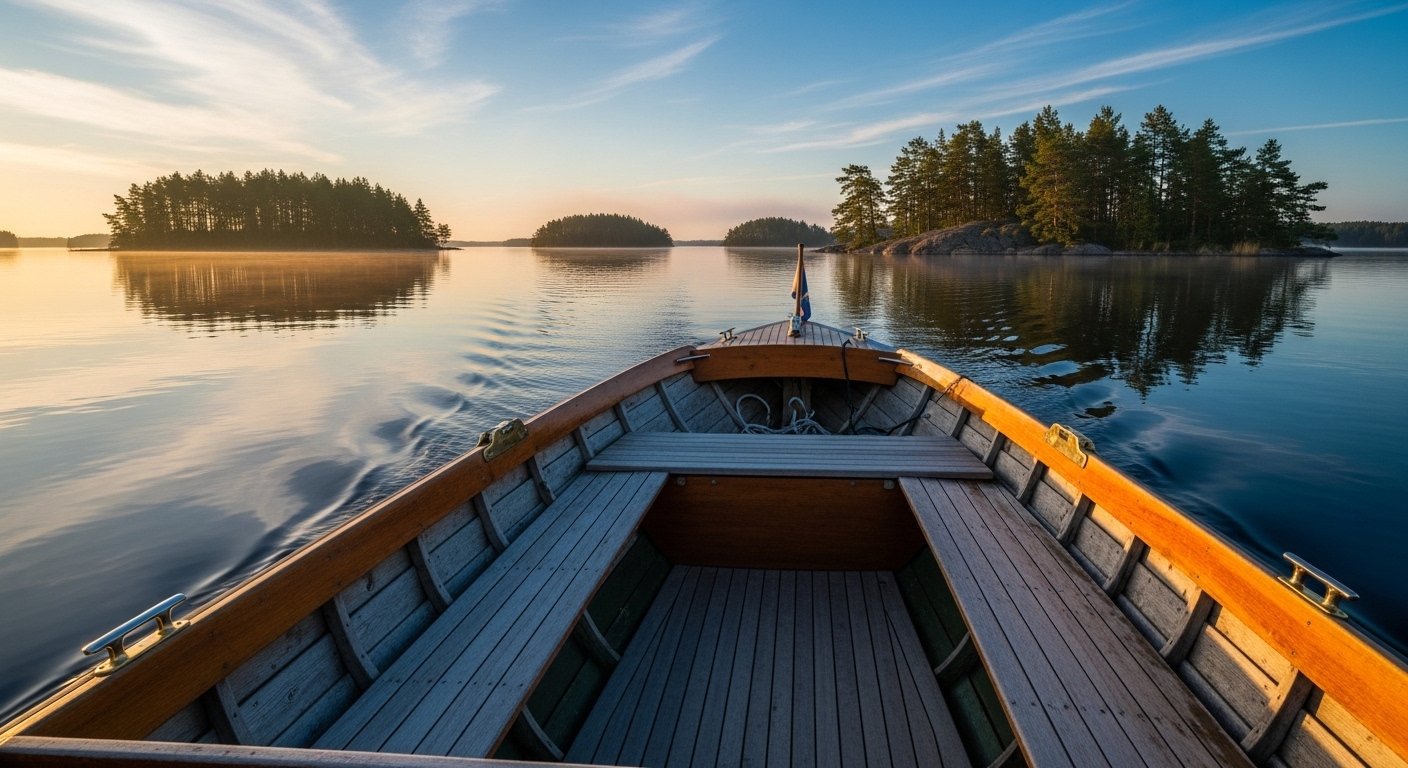
Picture yourself drifting across a glassy lake where the only sounds are the gentle lap of water against the hull and the distant call of a loon. The midnight sun paints the horizon in soft pinks and golds while forested islands slip by like pages in a storybook. This is veneajelu, the Finnish way of embracing water not as a highway but as a peaceful escape. With over 188,000 lakes and more than 179,000 islands dotting the country, Finland turns boating into a national passion that blends adventure, calm, and deep cultural roots. If you love the outdoors or crave a fresh way to explore the Nordic regions, veneajelu offers exactly that magic.
What is Veneajelu?
Veneajelu literally translates to “boat ride” in Finnish, but it means so much more to locals. It is a leisurely outing on the water taken purely for enjoyment, whether you are rowing a small wooden craft, motoring through narrow channels, or joining friends for an afternoon of island hopping. Think of it as the Finnish version of a Sunday drive, except instead of roads you have shimmering lakes and the vast Baltic Sea. People pack simple picnic baskets, maybe a fishing rod, and head out to soak up fresh air and silence.
Unlike hurried ferry commutes or high-speed water sports, veneajelu moves at nature’s pace. You might stop at a rocky outcrop for a quick swim, fire up a portable grill for coffee, or simply let the boat rock while you watch clouds drift overhead. It is accessible to everyone, from families with kids to solo travelers seeking quiet reflection. In summer, when daylight stretches nearly around the clock, these trips become the heartbeat of Finnish leisure.
The Cultural Heart of Veneajelu
Veneajelu sits at the core of Finland’s maritime heritage. For generations, boats have connected remote cottages, fishing villages, and summer homes. Traditional wooden boats, many built in the classic clinker style with overlapping planks, represent a living piece of Nordic history. These vessels are still handcrafted today and celebrated at boat festivals and wooden-boat centers around the country.
The activity ties directly into the Finnish love of nature and the simple life. Many families own a small motorboat or rowboat parked beside their lakeside mökki (summer cottage). A quick veneajelu might include a stop at a deserted island for a wood-fired sauna session followed by a plunge into the lake. This blend of water, woods, and wellness feels timeless yet perfectly modern in a world that moves too fast. It also reflects the broader Nordic outdoor lifestyle, where spending time in nature is not a luxury but a daily necessity for mental clarity and happiness.
Best Places for Veneajelu in Finland
Finland’s waterways offer endless variety, so choosing where to go depends on the mood you seek. Here are standout spots that consistently top lists for both locals and visitors.
The Saimaa Lake District in eastern Finland stands out as the crown jewel. This vast labyrinth of connected lakes and channels forms Europe’s largest lake system. You glide past pine-covered islands, spot the rare Saimaa ringed seal, and explore national parks where ancient rock paintings peek from cliff faces. Summer boat trips in the Finnish Lakeland often include gentle cruises past historic castles or through narrow canals built in the 19th century.
Head west to the Finnish archipelago for a completely different vibe. Stretching from Helsinki to the Åland Islands, this area boasts the world’s largest archipelago with tens of thousands of islands scattered across the Baltic Sea. Island hopping here feels like wandering through a living map. You can navigate sheltered bays one moment and open sea the next, always with dramatic coastal scenery.
Closer to the capital, guided veneajelu tours in Helsinki let you see the city from the water. Boats pass the UNESCO-listed Suomenlinna sea fortress, buzz past bustling harbors, and weave through the outer islands where wild berries grow and old wooden villas hide among the trees. Many visitors combine these trips with a visit to the market square before casting off.
Farther south, the Åland Islands deliver postcard-perfect scenes for nautical tourism. Rent a boat and spend days drifting between tiny harbors, tasting local smoked fish, and cycling between stops. The area’s autonomy and Swedish-speaking culture add an extra layer of charm to every voyage.
Planning Your Veneajelu Adventure
Getting on the water is easier than you might think. Boat rentals Finland cater to every skill level and budget. In Saimaa and the archipelago, companies offer small motorboats that often require no special license if the engine stays under a certain power and you demonstrate basic handling. Expect daily rates starting around 100–200 euros depending on the vessel and season, with weekly packages bringing costs down for longer stays.
Affordable veneajelu equipment rental includes life jackets, basic navigation tools, and even picnic gear. Many operators provide quick safety briefings and suggested routes. For those who prefer not to captain their own boat, guided options abound. Helsinki companies run everything from one-hour sightseeing cruises to half-day explorations complete with onboard snacks and stories about local history.
If you are traveling light, day tours work beautifully. Families often choose larger vessels with space for kids to move around safely while parents relax. Solo travelers or couples might opt for a compact rowboat or electric motorboat for a quieter, more intimate experience. Booking ahead is smart during peak summer months, especially around midsummer when demand spikes.
Veneajelu Safety Tips for Beginners
Water activities always come with responsibility, but Finnish authorities make safety straightforward. Life jackets are mandatory for everyone aboard, and children under 15 must wear them at all times. Pack a first-aid kit, waterproof phone pouch, basic flares or whistle, and a fire extinguisher for motorboats.
Always check the weather forecast before departure. Sudden winds or storms can change conditions quickly on large lakes or open Baltic waters. Tell a friend or marina staff your planned route and expected return time. Navigation apps combined with traditional paper charts help you stay on course, especially in the maze-like Saimaa region.
Alcohol and boating simply do not mix here. Finnish law is strict, and common sense reinforces the rule. Start with calm, sheltered waters if you are new to the helm. Many rental companies offer short training sessions that cover steering, docking, and emergency stops. With a little preparation, even first-timers feel confident and secure.
Embracing Sustainable Water Travel
Modern veneajelu increasingly focuses on low-impact exploration. Electric boats and hybrid engines are gaining popularity, letting you glide silently without disturbing wildlife or the peace. Finland’s strong environmental ethos encourages leaving no trace: pack out all trash, respect protected shorelines, and follow speed limits in sensitive areas.
This approach fits perfectly with the Nordic outdoor lifestyle. You connect more deeply with the landscape when your journey respects it. Many operators now highlight eco-friendly routes that pass through nature reserves or support local conservation projects. By choosing sustainable options, you help preserve these pristine waters for future generations of boaters.
Making Memories That Last
Whether you rent a classic wooden boat for a nostalgic afternoon or join a group tour to learn about local legends, veneajelu rewards every participant with a fresh perspective. The experience strips away daily distractions and replaces them with pure presence. You return to shore with sun-kissed skin, stories to share, and a quiet sense of renewal that only time on the water can provide.
5 Practical Tips to Start Your Veneajelu Journey Today
- Begin small. Rent a simple motorboat for a half-day in sheltered waters to build confidence.
- Pack light but smart: sunscreen, binoculars, a thermos of coffee, and snacks that travel well.
- Time your trip for early morning or late evening to enjoy fewer crowds and softer light.
- Combine activities. Stop at an island for a short hike or a dip in the lake.
- Ask locals for hidden gems. Finns are happy to share their favorite coves and picnic spots.
What will your first veneajelu look like? Whether you are planning a family holiday or a solo Nordic escape, these boat trips deliver memories that linger long after you step back on dry land. Grab a map, check the forecast, and let the water show you why Finns return to their boats summer after summer.
FAQs
What exactly does veneajelu mean?
It simply means “boat ride” in Finnish, but in everyday use it describes any relaxed, enjoyable outing on lakes, rivers, or coastal waters taken for pleasure rather than transportation.
Do I need a boating license for veneajelu in Finland?
For most small motorboats used in rentals, no special license is required if the engine power stays below certain limits and you can demonstrate basic skills. Larger vessels or sailing yachts may need certification.
What are the best months for veneajelu?
June through August offers the warmest water, longest daylight, and most reliable weather. Midsummer brings magical light, while September can be quieter with beautiful autumn colors.
Is veneajelu suitable for families with young children?
Absolutely. Choose calm lakes or guided tours, ensure proper life jackets, and pick boats with plenty of space. Many operators cater specifically to families with child-friendly routes and safety features.
How much does a typical veneajelu day cost?
Expect 100–250 euros for a day’s boat rental, depending on size and location. Guided tours in Helsinki start around 50–100 euros per person. Fuel and any extras add a small amount.
Can beginners safely try veneajelu without experience?
Yes. Rental companies provide quick training, and guided tours remove the steering altogether. Start in protected areas, follow safety rules, and you will gain confidence fast.
What should I bring on a veneajelu trip?
Layered clothing, sturdy shoes, sunscreen, a hat, binoculars, snacks, drinking water, and a charged phone in a waterproof case. A small dry bag keeps everything secure.