 By Bemi Brooks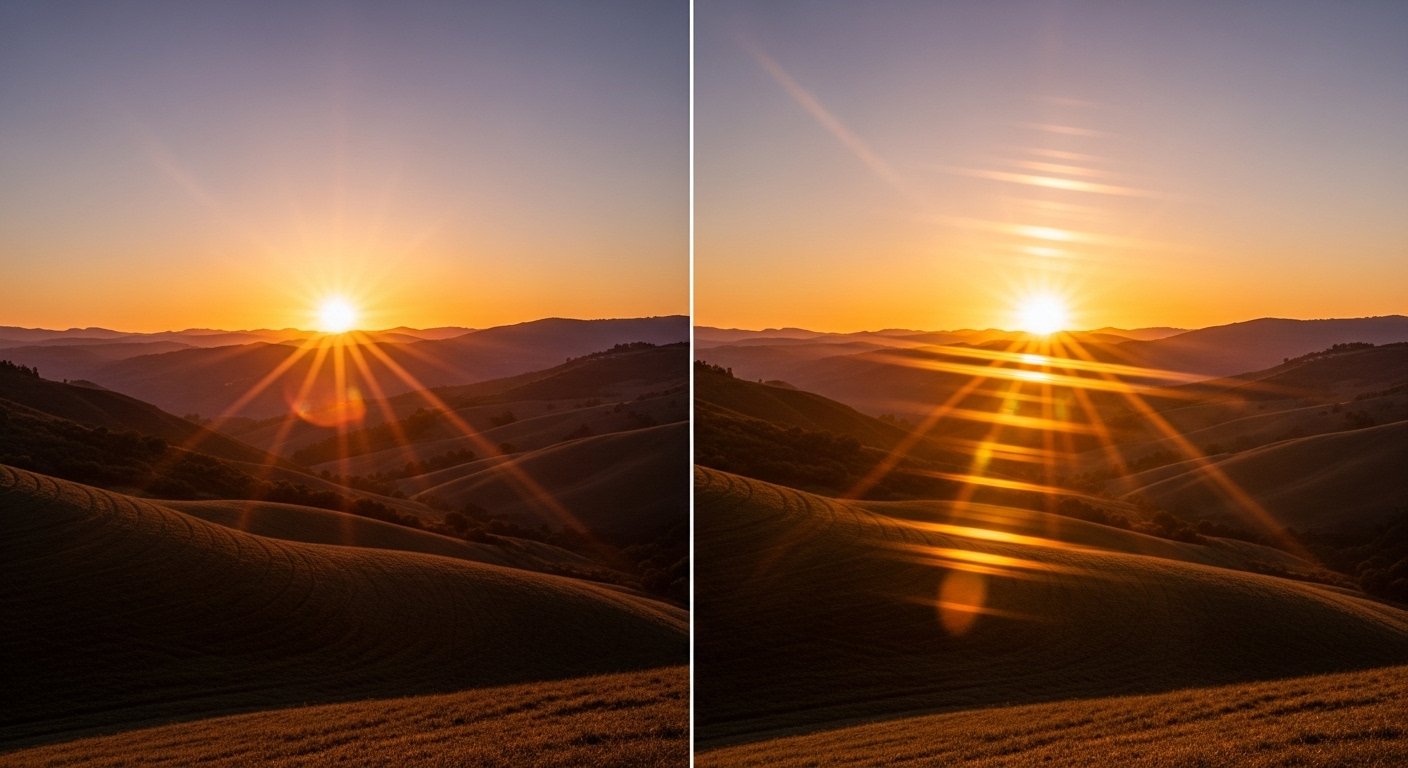
Have you ever snapped a photo during golden hour only to feel something was missing? That extra spark of drama, warmth, or pure movie magic? Enter photeeq lens flare. This game-changing tool lets you add realistic light effects in post-production and turns ordinary shots into cinematic masterpieces without ever touching your camera settings.
Whether you shoot portraits, landscapes, weddings, or social media content, photeeq lens flare gives you total control over those beautiful optical artifacts. No more waiting for the perfect sun position or risking lens damage in harsh light. You get the look instantly, and it feels completely natural.
Understanding Lens Flare: From Accidental Artifact to Artistic Tool
Lens flare happens when bright light scatters inside your lens. It creates streaks, halos, sunbursts, and colorful rings that can wash out contrast or add dreamy glows. In the old days, photographers fought hard to avoid it with hoods and careful angles.
Today, creators embrace it on purpose. That soft veil of light adds depth, tells a story, and pulls viewers right into the scene. Think of blockbuster films where anamorphic flares signal emotion or adventure. Or those viral wedding photos where the couple stands in a radiant sunset burst.
Photeeq lens flare takes this further. It delivers high-resolution overlays and presets that mimic real lens behavior. You get everything from vintage halos to modern anamorphic streaks and soft golden glows. The result? Professional lighting effects that enhance visual storytelling without looking fake.
What Makes Photeeq Lens Flare Stand Out in Digital Photo Editing
Photeeq lens flare stands apart from basic filters because it reacts to your image’s existing light and contrast. The overlays blend seamlessly thanks to smart design and transparent PNG files.
Here are the standout features that make it a favorite for photographers and designers:
- Variety of realistic styles: Sunbursts, anamorphic streaks, vintage halos, colorful rings, and subtle glows.
- Full customization: Adjust size, position, intensity, color temperature, and direction to match your scene perfectly.
- Non-destructive editing: Work with smart objects, layer masks, and adjustment layers so you can tweak or remove effects anytime.
- High-resolution quality: Files work beautifully for print, web, or 4K video stills without pixelation.
- Easy blending modes: Screen or Lighten modes make integration effortless.
- Action scripts and presets: Automate placement for faster workflows in busy projects.
These tools save hours compared to painting flares manually or hoping for the right in-camera moment. Plus, they support light simulation software needs for both amateurs and pros.
How to Add Photeeq Lens Flare in Photoshop: Step-by-Step
Ready to try it? Adding photeeq lens flare in Photoshop takes just minutes once you know the flow. Here is the exact process professionals use for realistic lens flare simulation.
- Open your base image in Adobe Photoshop and duplicate the background layer. This keeps your original safe.
- Go to File > Place Embedded and select your chosen Photeeq overlay PNG file.
- Use the Move tool to position the flare exactly where the main light source would hit.
- Resize and rotate with Edit > Transform so the direction matches your scene’s lighting.
- Change the layer blending mode to Screen or Lighten. This lets the flare glow naturally over your photo.
- Lower the opacity slider until the effect feels subtle and believable.
- Add a layer mask and paint with a soft black brush to hide any parts that overlap important details like faces.
- Create adjustment layers (Curves, Hue/Saturation, Color Balance) above the flare layer to fine-tune warmth or intensity.
- Convert the flare layer to a Smart Object for non-destructive tweaks later.
That is it. You now have a controllable, cinematic lighting effect. Test at 100 percent zoom and also at thumbnail size to make sure it looks right everywhere.
Creating Cinematic Effects: Pro Tips for Realistic Results
The secret to great results lies in artistic choices, not just technical steps. Match the flare color temperature to your scene. Warm orange tones work wonders for golden hour effects with photeeq. Cool blue hints suit moody landscapes or urban night shots.
For wedding photography, try a soft sunburst behind the couple during backlit portraits. It creates that romantic haze without overexposing skin tones. Layer two or three different overlays at low opacities for richer depth.
Anamorphic flares give video stills or product shots that wide-screen film look. Stretch the streak horizontally and reduce saturation slightly so it feels organic.
Always ask yourself: Does this flare serve the story? A subtle glow can elevate a flat portrait into something emotional. Over-the-top bursts suit creative social media influencers or graphic designers pushing bold visuals.
Experiment in Lightroom too. Many Photeeq overlays import easily as smart objects or through the Develop module for quick batch applications.
Common Mistakes to Avoid When Using Lens Flare Tools
Even the best tools can go wrong if you rush. Here are the top pitfalls and quick fixes.
- Placing the flare in the wrong direction: Always align it with your actual light source. A sunburst coming from the bottom looks fake and breaks immersion.
- Cranking up intensity too high: Start at 40 percent opacity and build slowly. Less really is more for natural results.
- Ignoring color matching: A cool flare on a warm sunset scene screams “edited.” Use adjustment layers to sync tones.
- Forgetting non-destructive habits: Never flatten layers until the very end. Smart objects save you from regret.
- Applying the same preset to every photo: Each image needs its own tailored approach for authentic optical artifacts.
Avoid these, and your work will look polished every time.
Photeeq Lens Flare vs Picsart and Other Light Effects Tools
Many creators compare photeeq lens flare to built-in options in Picsart or free mobile apps. Picsart offers quick lens flare filters, but they often look cartoonish or lack fine control. Photeeq delivers true-to-life optical behavior with far more customization and higher resolution.
Adobe’s own Lens Flare filter feels dated and limited next to Photeeq’s modern presets. Other light simulation software might require complex masking or third-party plugins that slow your computer. Photeeq keeps things lightweight and focused.
For professional designers and influencers who need repeatable, client-ready results, Photeeq wins hands down. It supports non-destructive editing tools and integrates smoothly into existing Adobe Lightroom plugins workflows.
Non-Destructive Editing and Workflow Integration
One of the biggest advantages is how well photeeq lens flare fits into smart post-production lighting routines. Work entirely with layers and masks. You can turn the effect on or off instantly for client approvals.
Export versions with and without the flare to give options. Combine it with sunburst overlays for landscapes or subtle glows for product photography. The flexibility makes it perfect for graphic designers building mood boards or social media influencers creating consistent brand aesthetics.
Next Steps: Transform Your Photos Today
You now hold the complete roadmap to cinematic lighting effects with photeeq lens flare. Start small. Grab a free starter pack, open an old golden hour shot, and follow the steps above. Watch how a single well-placed streak changes everything.
3 Key Takeaways
- Photeeq lens flare adds realistic, controllable light effects faster than in-camera shooting.
- Always match direction, color, and intensity to your scene for believable results.
- Use smart objects and masks to keep edits flexible and professional.
What is one change you will make today? Will you try a warm sunburst on your next portrait or go bold with anamorphic streaks in your next project? Drop your results in the comments. I would love to see how you bring that cinematic magic to life.
You May Also Like: The Art of Nativität: A Journey Through History and Culture
FAQs
What exactly is Photeeq lens flare?
It is a collection of high-quality Photoshop overlays and presets that add realistic lens flare effects like sunbursts, streaks, and halos to your photos for instant cinematic depth.
How do I add photeeq lens flare in Photoshop?
Place the PNG overlay as a layer, set blending mode to Screen or Lighten, adjust position and opacity, then use masks and adjustments for a natural blend.
Is Photeeq lens flare free?
Starter packs with 10 to 20 overlays are often free. Premium bundles with hundreds of variations and action scripts are available for more advanced users.
Can I use Photeeq lens flare for wedding photography?
Absolutely. It shines in backlit portraits and golden hour shots, adding romantic warmth and drama without harsh in-camera lighting challenges.
Does it work in other programs besides Photoshop?
It works best in Photoshop, but the overlays import into Lightroom, Affinity Photo, and any editor that supports layers and PNG files.
How does Photeeq lens flare compare to Picsart lens flare?
Photeeq offers higher resolution, more realistic optical simulation, better customization, and true non-destructive workflows compared to Picsart’s simpler filters.
Will the effects look natural on my photos?
Yes, when you match the flare direction and color temperature to your existing light source and keep opacity subtle. Smart masks help hide any unnatural overlaps.