 By Arthur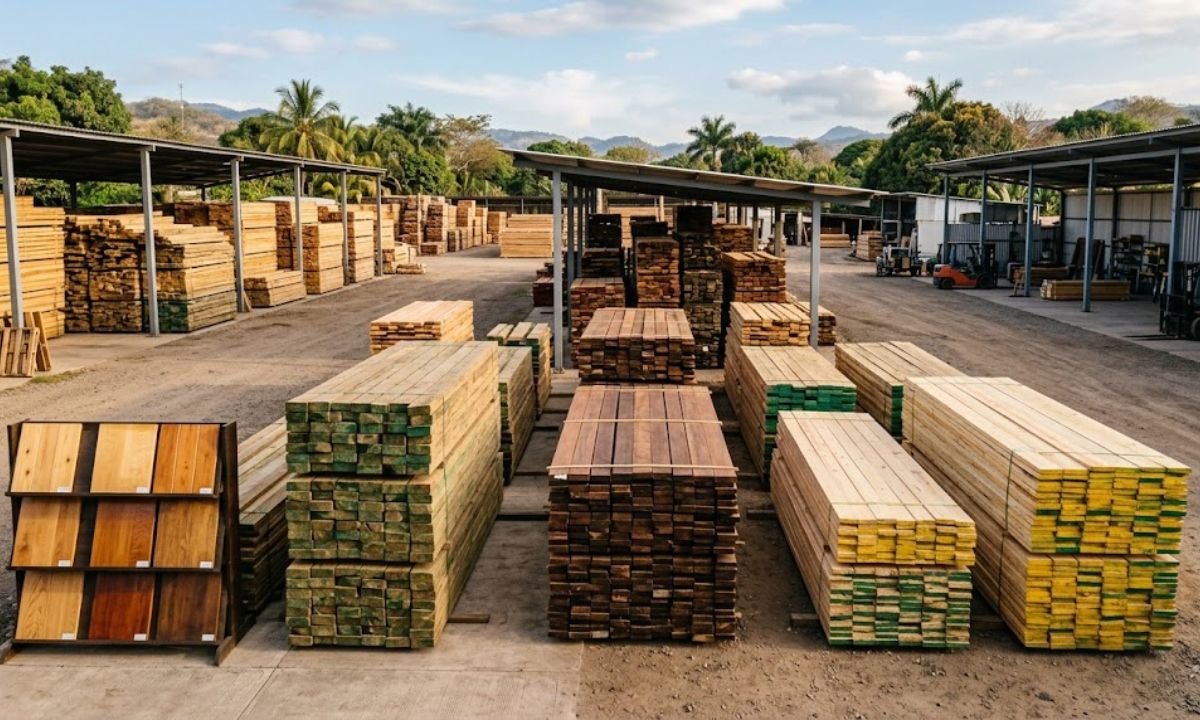
Choosing wood sounds simple until you’re standing in a lumber yard comparing species, grades, treatments, dimensions, and prices. Pine might be perfect for one project, while Brazilian Teak could make far more sense for another. Then there’s the question of sustainability, durability, finishing, and whether the material will actually hold up in the environment where you plan to use it.
That’s where Madereria Cuauhnahuac enters the picture.
Based in Cuernavaca, Morelos, Mexico, the company focuses on supplying wood products for a range of applications, from construction and exterior finishes to furniture and DIY projects. Its selection includes practical options such as pine boards and treated wood alongside more distinctive species including Brazilian Teak, Ayacahuite, Siricote, and American Oak.
For contractors, designers, homeowners, and weekend builders alike, having access to different types of wood under one roof can make the selection process considerably easier.
Table of Contents
- What Is Madereria Cuauhnahuac?
- Why Wood Selection Matters
- Pine Boards for Construction and Everyday Projects
- Treated Wood for Exterior Applications
- Certified Wood and Responsible Sourcing
- Brazilian Teak: A Premium Choice
- Ayacahuite: A Versatile Mexican Wood
- Siricote: Character and Distinctive Appearance
- American Oak for Furniture and Interior Projects
- Comparing Popular Wood Options
- Choosing the Right Wood for Your Project
- Wood for Construction
- Wood for Furniture and Interior Design
- Wood for Exterior Finishes
- What DIY Builders Should Consider
- Maintenance and Longevity
- Pros and Cons of Buying From a Specialized Wood Supplier
- Frequently Asked Questions
- Final Thoughts
What Is Madereria Cuauhnahuac?
Madereria Cuauhnahuac is a wood supply company located in Cuernavaca, Morelos, serving customers who need lumber and wood products for different construction, design, and woodworking applications.
The company’s appeal lies partly in the breadth of its selection. Instead of treating wood as a one-size-fits-all material, a specialized supplier can help customers consider characteristics such as strength, appearance, resistance to moisture, workability, and intended use.
That distinction matters.
A board used inside a living room doesn’t face the same conditions as timber installed on an outdoor terrace. Likewise, a carpenter making a dining table has very different requirements from a contractor framing part of a building.
Why Wood Selection Matters
Wood isn’t merely a building material. It has personality.
Two species can have completely different grain patterns, colors, densities, working characteristics, and durability. Even boards from the same species can behave differently depending on how they’re dried, stored, treated, and finished.
Before buying lumber, consider four basic questions:
- Where will the wood be used?
- Will it be exposed to moisture or sunlight?
- Does appearance matter as much as structural performance?
- How much maintenance are you prepared to do?
These questions narrow the choices surprisingly quickly.
Pine Boards for Construction and Everyday Projects
Pine remains one of the most practical choices for construction and general woodworking. It’s widely used because it tends to be workable, versatile, and suitable for numerous applications.
For DIY enthusiasts, pine can be especially attractive because it is relatively easy to cut, drill, sand, and finish. It can be used for shelving, basic furniture, wall features, frames, small structures, and many home improvement projects.
In construction, pine boards may also be used where the project’s specifications call for a practical and economical wood solution.
Still, don’t assume every pine board is interchangeable. Dimensions, moisture content, grade, treatment, and intended application all matter.
Treated Wood for Exterior Applications
Outdoor wood has a tougher job.
Rain, humidity, sunlight, insects, and changing temperatures can gradually affect untreated timber. Treated wood is designed to provide additional protection and can be a sensible option for certain exterior applications.
Depending on the specific treatment and product specifications, treated wood may be considered for projects such as:
- Outdoor structures
- Fences
- Decking components
- Garden projects
- Exterior frameworks
- Landscaping applications
One important point: treatment does not mean maintenance-free. Proper installation, drainage, sealing where appropriate, and periodic inspection can still make a significant difference.
Certified Wood and Responsible Sourcing
Sustainability has become an increasingly important consideration in the construction and furniture industries.
When purchasing wood, buyers are no longer looking only at price and appearance. Many also want to understand where the material comes from and whether it has been sourced responsibly.
Certified wood can help address that concern when the relevant certification is documented and applicable to the particular product.
If sustainability is a priority for your project, ask the supplier about certification, origin, chain of custody, and available documentation. A responsible purchasing decision isn’t simply about choosing a species with a green-sounding label. It involves understanding the source.
Honestly, this isn’t talked about enough. Beautiful wood is great, but knowing where it came from is part of making a genuinely responsible choice.
Brazilian Teak: A Premium Choice
Brazilian Teak is valued for its durability, distinctive appearance, and suitability for demanding applications.
Its characteristics can make it attractive for projects where both aesthetics and performance matter. Depending on the specific product and intended application, it can be considered for furniture, flooring, exterior elements, and other premium woodworking projects.
Its natural character is also part of the appeal. Rather than looking like an anonymous building material, quality teak can become a visual feature of a project.
Of course, premium species often come with a higher price. The question isn’t simply whether teak costs more. The better question is whether its properties justify that additional investment for your particular project.
Ayacahuite: A Versatile Mexican Wood
Ayacahuite is another interesting option for woodworkers and builders looking for a versatile material.
It is associated with Mexican coniferous forests and is appreciated for its relatively light appearance and useful woodworking characteristics. Its grain and texture can make it suitable for applications where a natural wood aesthetic is desired.
For interior projects, furniture, decorative work, and certain construction uses, Ayacahuite can offer a balance between appearance and practicality.
As always, the exact grade and dimensions should be evaluated before purchasing for a specific application.
Siricote: Character and Distinctive Appearance
Siricote stands out for a different reason: character.
Its rich coloration and distinctive grain can give furniture and decorative woodworking projects a memorable appearance. For designers and craftspeople who don’t want something that looks generic, unusual species such as Siricote can be particularly appealing.
It’s the kind of material where the wood itself becomes part of the design.
That makes it worth considering for statement furniture, decorative panels, specialty woodworking, and projects where visual impact is important.
American Oak for Furniture and Interior Projects
American Oak is a familiar favorite for good reason.
Its recognizable grain, strength, and traditional appearance have made oak a popular material in furniture and interior woodworking. It can work beautifully in tables, cabinets, shelving, doors, flooring, and other applications where durability and appearance need to coexist.
Oak also offers plenty of design flexibility. Depending on the finish, it can look rustic, traditional, modern, or surprisingly minimalist.
For someone building a dining table, for example, American Oak can provide a substantial appearance without requiring an exotic species.
Comparing Popular Wood Options
Here’s a practical starting point when comparing several of the species associated with Madereria Cuauhnahuac:
| Wood Type | Key Characteristic | Potential Applications |
|---|---|---|
| Pine | Versatile and practical | Construction, DIY, shelving, basic furniture |
| Treated Wood | Added protection for certain conditions | Exterior structures, outdoor projects |
| Brazilian Teak | Durability and premium appearance | Furniture, exterior projects, specialty work |
| Ayacahuite | Light appearance and versatility | Furniture, interior work, selected construction uses |
| Siricote | Distinctive grain and coloration | Decorative work, premium furniture |
| American Oak | Strength and classic grain | Furniture, cabinets, flooring, interiors |
This isn’t a substitute for product specifications, but it gives buyers a useful starting point.
Choosing the Right Wood for Your Project
The best wood isn’t necessarily the most expensive wood.
That’s an easy mistake to make.
If you’re building a simple interior shelf, purchasing an expensive tropical hardwood may be unnecessary. On the other hand, choosing inexpensive untreated material for a demanding outdoor application could create problems later.
Think about the project in terms of performance first and aesthetics second, then consider your budget.
For Construction
Construction projects generally require consistency, appropriate dimensions, structural suitability, and predictable performance.
Pine and treated wood may be useful options depending on the project’s specifications. The correct choice should always be based on engineering requirements rather than appearance alone.
For Furniture
Furniture brings appearance much further into the equation.
American Oak can be an excellent candidate for classic furniture, while Siricote or Brazilian Teak may appeal to customers seeking something more distinctive.
Grain direction, moisture content, board stability, and finishing characteristics deserve attention here.
For Exterior Finishes
Exterior applications demand more attention to environmental exposure.
Sun, rain, humidity, and temperature changes can gradually affect wood. Species selection, treatment, installation details, drainage, and maintenance should all be considered together.
What DIY Builders Should Consider
DIY projects often begin with enthusiasm and a rough sketch on a piece of paper.
Then reality arrives.
The wood needs to be the right thickness. The boards need to be reasonably straight. You need to know whether the material is dry enough, how it will respond to cutting, and what finish will work.
Before buying, measure your project carefully and calculate how much material you’ll actually need. Buying too little creates an inconvenient second trip. Buying far too much ties up money and leaves you with leftover material that may sit in the garage for years.
Ask questions, too. A knowledgeable lumber supplier can sometimes prevent an expensive mistake before you make it.
Wood Maintenance and Longevity
Even excellent wood needs appropriate care.
Interior furniture may require little more than regular cleaning and periodic refinishing, depending on the finish. Exterior wood usually demands more attention because it is constantly exposed to environmental conditions.
A sensible maintenance routine may include:
- Inspecting the wood periodically.
- Checking for moisture damage.
- Cleaning dirt and debris.
- Reapplying suitable protective finishes when necessary.
- Addressing damaged sections before problems spread.
The exact maintenance schedule depends on the species, finish, location, and exposure.
Pros and Cons of Buying From a Specialized Wood Supplier
Pros
- Wider selection of wood species
- Access to treated and specialty products
- Better opportunity to compare materials
- Potential guidance for project-specific applications
- Options for construction, furniture, and DIY work
- Greater choice for customers concerned about certified wood
Cons
- Specialty species can be more expensive
- Different woods require different maintenance
- Buyers still need to verify specifications for demanding projects
- Premium materials aren’t always necessary for simple applications
The important takeaway is simple: selection is valuable, but only when you understand what you’re selecting.
Frequently Asked Questions
What does Madereria Cuauhnahuac offer?
Madereria Cuauhnahuac is a wood supplier in Cuernavaca, Morelos, with products that can serve construction, furniture, exterior finishing, and DIY applications. Its range includes pine boards, treated wood, certified wood, and several specialty species.
Is pine good for DIY projects?
Yes. Pine is commonly considered a practical material for many DIY projects because it is versatile and generally easy to work with. The appropriate grade and dimensions still depend on the project.
What is treated wood used for?
Treated wood is commonly selected for applications where additional protection against environmental factors is desirable. Depending on its treatment and specifications, it can be suitable for certain outdoor construction and landscaping projects.
Is Brazilian Teak suitable for outdoor projects?
Brazilian Teak is known for its durability and can be considered for certain exterior applications. However, suitability depends on the specific product, installation conditions, and project requirements.
Why choose American Oak for furniture?
American Oak combines a recognizable grain with strength and a traditional appearance. It’s often considered for tables, cabinets, flooring, shelving, and other interior woodworking projects.
What makes Siricote interesting for furniture?
Siricote is particularly appealing for its distinctive grain and coloration. It can give specialty furniture and decorative woodworking projects a more individual appearance.
How can I choose sustainable wood?
Start by asking about the wood’s origin and whether the product has recognized certification and supporting documentation. Responsible sourcing should be verified rather than assumed.
Final Thoughts
Wood has a way of making a project feel finished in a way that synthetic materials sometimes can’t replicate. You can see the grain, feel the texture, and notice the small variations that make one board different from another.
That variety is also why choosing the right supplier matters.
For customers in and around Cuernavaca, Madereria Cuauhnahuac offers a broad selection ranging from practical pine and treated lumber to distinctive species such as Brazilian Teak, Ayacahuite, Siricote, and American Oak. Whether you’re planning a construction project, building furniture, upgrading an outdoor space, or simply experimenting with a weekend DIY idea, the right material can make the entire process easier.
My advice? Don’t start with the question, “What’s the cheapest wood?” Start with, “What does this project actually need?” Once you answer that, the right species, treatment, grade, and finish become much easier to identify.
If you’re planning your next woodworking or construction project, exploring the available wood options before buying could save both money and frustration.