 By Bemi Brooks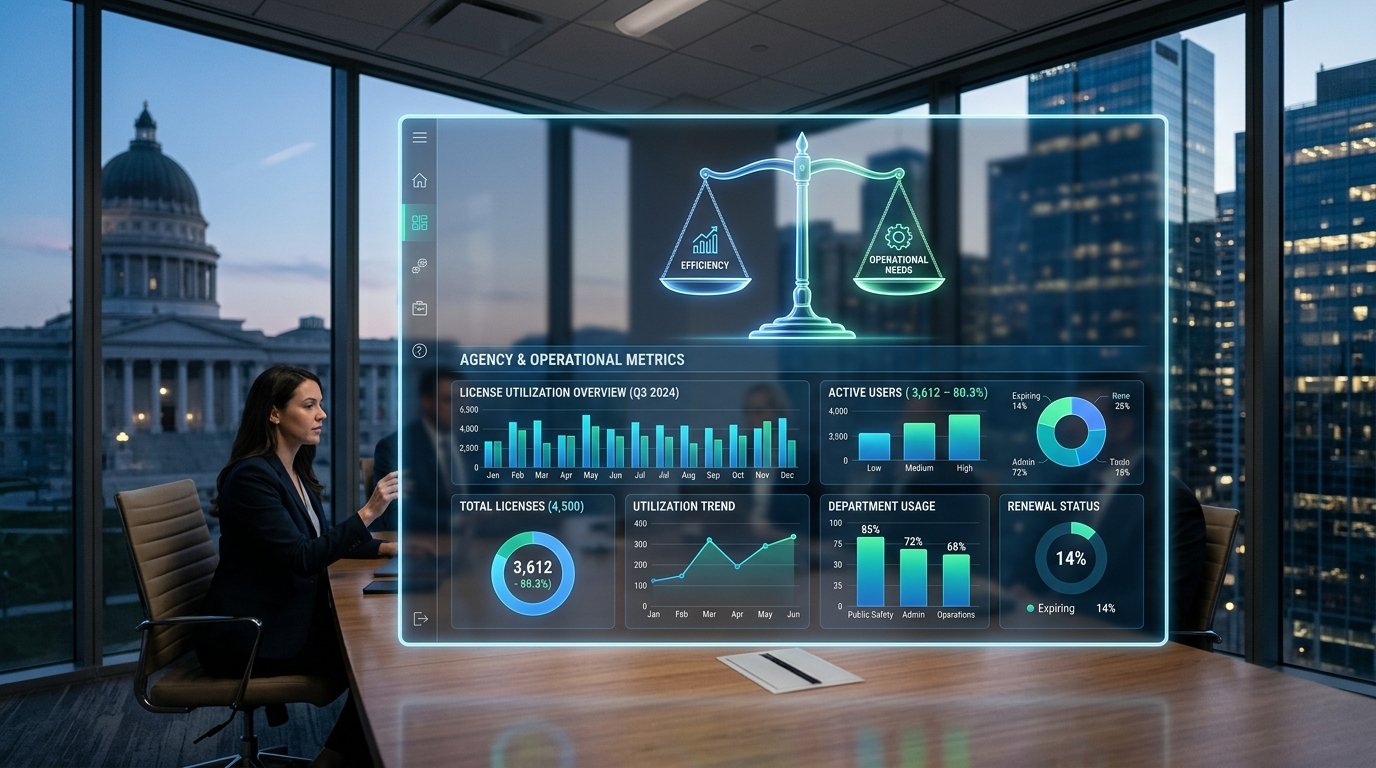
Imagine discovering that your organization is paying for thousands of software seats no one is actually using. For many IT leaders, that scenario hits close to home, especially after the Department of Government Efficiency (DOGE) spotlighted massive license discrepancies at the Department of Housing and Urban Development (HUD). The DOGE software licenses audit HUD quickly became a flashpoint, with headlines screaming about waste while IT professionals pushed back on the nuances of enterprise procurement.
This case offers far more than political soundbites. It delivers a practical masterclass in software asset management (SAM) for anyone responsible for IT budgets in large organizations. Whether you manage federal systems or private enterprise fleets, understanding the tension between apparent waste and strategic buying can transform how you handle licensing.
What Sparked the DOGE Software Licenses Audit HUD?
In early 2025, DOGE, the initiative aimed at slashing government inefficiency, turned its attention to federal software spending. Their audit of HUD revealed striking numbers: 11,020 Adobe Acrobat licenses with zero active users, 35,855 ServiceNow licenses across three products with only 84 in use, and similar gaps in tools like Cognos, WestLaw, and Java.
DOGE shared these findings on social media, framing them as clear examples of taxpayer money down the drain. The reaction was swift. Supporters cheered potential savings in the millions, while critics argued the snapshot overlooked how large-scale IT operations actually work. Bulk enterprise agreements, seasonal staffing fluctuations, and the need for rapid scaling often lead to licenses that sit idle temporarily.
The audit did not emerge in isolation. DOGE applied similar reviews across agencies, reporting savings like millions cut from unused licenses at the IRS and other bodies. For HUD, the exercise highlighted both opportunities for tighter controls and the complexities of federal procurement rules.
Breaking Down the Numbers: Waste, Buffer, or Something Else?
Let’s look closer at the headline grabber: those 11,020 Adobe Acrobat licenses. On paper, paying for tools with no assigned users looks inefficient. Yet enterprise licensing rarely works like individual retail purchases.
Adobe and similar vendors structure deals around total enterprise needs rather than exact daily headcount. Organizations buy pools of licenses to cover:
- Peak project demands
- Contractor and temporary staff surges
- Compliance and audit requirements
- Future growth without renegotiating contracts mid-year
In government settings, procurement timelines stretch long, and funding cycles add another layer. Buying in bulk often secures better per-unit pricing and avoids disruptive shortages. The DOGE software licenses audit HUD shone a light on utilization gaps, but experts note that “unassigned” does not always equal “unused” in a functional sense. Some licenses serve as contingency or are managed through shared activation models.
Key HUD Audit Highlights
| Software | Total Licenses | Active/Used | Notes |
|---|---|---|---|
| Adobe Acrobat | 11,020 | 0 | Zero assigned users flagged |
| ServiceNow | 35,855 | 84 | Across three products |
| Cognos | 1,776 | 325 | Significant underuse |
| WestLaw Classic | 800 | 216 | Legal research tool |
| Java | 10,000 | 400 | Development environments |
This table captures the scale. Critics of the audit point out that raw counts miss context like concurrent usage licensing, where not every user needs a dedicated seat simultaneously. Proponents counter that even partial optimization could free up substantial budgets for mission-critical work at HUD.
The Real-World Challenges of Enterprise Software Licensing
Large organizations, whether federal or corporate, face similar headaches. Procurement teams negotiate multi-year deals to lock in costs and ensure continuity. Suddenly shifting headcounts, mergers, reorganizations, or policy changes can leave licenses unmatched to users.
Think of it like stocking a massive warehouse. You do not order exactly the number of items sold yesterday. You maintain buffers for growth, replacements, and unexpected demand. Software works the same way, but tracking it manually proves tough without strong tools.
Federal rules add constraints. Compliance with regulations like the Federal Acquisition Regulation (FAR) often favors longer-term contracts. Rapid cuts risk service disruptions in housing programs, mortgage operations, and public services that HUD supports.
On the flip side, the DOGE findings underscore a common pain point: many organizations lack real-time visibility into license consumption. Without continuous monitoring, “shelfware” accumulates, quietly inflating budgets year after year.
Lessons for IT Asset Managers and CIOs
The DOGE software licenses audit HUD case provides actionable takeaways that apply far beyond government walls. Here is how forward-thinking leaders can respond.
Adopt Continuous Oversight Models
Move beyond annual true-ups. Implement real-time compliance dashboards that show license usage, assignments, and trends. Modern SAM tools integrate with directory services like Active Directory or Okta to automatically flag unassigned or underused licenses. This “Heads-Up Display” approach lets teams act quickly instead of waiting for the next audit.
Optimize Bulk Agreements Strategically
Bulk licensing delivers cost advantages, but only with discipline. Negotiate flexible terms that allow true-downs or reallocation. Build clauses for periodic reviews and adjustments based on actual utilization data. Vendors increasingly offer usage-based or cloud-hybrid models that reduce overcommitment risk.
Distinguish Unassigned from Truly Unused
Train teams to categorize licenses properly. Some sit idle because of poor deployment processes. Others represent smart buffers. Regular audits combined with employee training on software activation can convert potential waste into productive assets.
Build Cross-Functional Governance
SAM succeeds when procurement, IT operations, finance, and compliance teams collaborate. Create a license optimization working group that reviews major purchases and monitors consumption quarterly. In federal contexts, align this with broader efficiency initiatives like those spurred by DOGE.
Leverage Automation and Analytics
Artificial intelligence and machine learning now predict usage patterns and recommend rightsizing. Tools from major SAM providers can scan environments, identify redundancies, and even suggest alternative open-source or lower-cost options where appropriate.
Balancing Efficiency Drives with Operational Reality
The controversy around the DOGE software licenses audit HUD reflects a healthy tension. Political pressure for quick wins can accelerate improvements, but oversimplification risks harming service delivery. Large entities scale software rollouts with buffers because unpredictability is the norm, not the exception.
Private sector parallels abound. Many Fortune 500 companies maintain license surpluses to support agile project teams or merger integration. The difference lies in visibility and proactive management. Organizations that treat SAM as a strategic discipline, rather than a compliance checkbox, turn potential waste into competitive advantage.
Federal IT expenditure tracking has improved in recent years, but the HUD case shows room for growth. Continuous oversight models, when implemented thoughtfully, bridge the gap between political oversight and practical IT logistics.
Practical Steps to Prevent Software License Waste
Ready to audit your own environment? Follow these guidelines drawn from the HUD experience and industry best practices.
- Inventory Everything: Use automated discovery tools to map all installed software and associated licenses. Include cloud subscriptions, which often get overlooked.
- Measure Utilization: Track concurrent usage, not just installations. Many tools offer built-in reporting for this.
- Right-Size Annually (or More Often): Schedule formal reviews tied to budget cycles. Eliminate or reallocate clearly unused seats.
- Negotiate Smarter Contracts: Prioritize vendors with transparent usage reporting and flexible terms. Consider enterprise agreements with built-in optimization support.
- Train and Communicate: Employees often underuse tools simply because they do not know they have access. Simple awareness campaigns can boost adoption.
- Monitor Trends: Watch for shifts toward subscription and consumption-based pricing, which naturally reduce waste but introduce new management challenges.
Organizations that implement these steps typically see 15-30% reductions in software spend without cutting capabilities, according to industry benchmarks.
What Comes Next for Federal and Enterprise SAM?
The DOGE software licenses audit HUD has elevated software asset management from a back-office function to a board-level concern. As more agencies and companies adopt real-time tracking, the bar for license optimization rises.
Expect greater emphasis on hybrid models that blend on-premises, cloud, and SaaS solutions. AI-driven compliance platforms will become standard, offering predictive insights that prevent overbuying before it happens.
For ITAM professionals and CIOs, this moment represents opportunity. By learning from the HUD case, you can position your organization as a model of responsible, efficient technology stewardship, whether serving public housing missions or private-sector innovation.
5 Quick Takeaways for Leaders
- Apparent license waste often signals visibility gaps more than deliberate mismanagement.
- Real-time dashboards turn reactive audits into proactive optimization.
- Bulk procurement remains smart when paired with strong governance.
- Distinguish strategic buffers from true inefficiencies.
- Cross-team collaboration delivers the biggest wins in SAM.
The DOGE software licenses audit HUD reminds us that efficiency is not just about cutting. It is about smarter allocation of resources to deliver better outcomes. What steps will you take in your organization to tighten license management?
Share your experiences with enterprise licensing challenges or successes in the comments. Have you faced similar discrepancies, and how did you resolve them? Your insights could help fellow IT leaders navigate this evolving landscape.
You May Also Like: The Ultimate Guide to Appfordown for Android Users
FAQs
What exactly did the DOGE software licenses audit HUD reveal?
The audit identified thousands of paid licenses with low or zero utilization, most notably 11,020 Adobe Acrobat licenses showing no assigned users, alongside major gaps in ServiceNow and other tools.
Does zero assigned users always mean the licenses were wasted?
Not necessarily. Enterprise agreements often include unassigned seats for flexibility, but poor tracking can turn them into genuine waste. The key is combining counts with actual usage data.
How can private companies apply lessons from the HUD case?
Implement continuous monitoring tools, conduct regular utilization reviews, and negotiate flexible contract terms. Many organizations have achieved significant savings through these practices.
What role do real-time compliance dashboards play?
They provide live visibility into license assignments and consumption, enabling quick adjustments and reducing surprises during audits.
Are bulk software purchases still a good strategy?
Yes, when managed well. They offer cost savings and scalability, but require robust SAM processes to avoid underutilization.
How has DOGE influenced broader federal IT practices?
The initiative has driven agencies toward tighter oversight, automation, and data-driven decisions on technology spending.
What tools help with software license optimization?
Look for SAM platforms with discovery, usage analytics, and vendor-specific integrations. Many now incorporate AI for predictive recommendations.