 By Bemi Brooks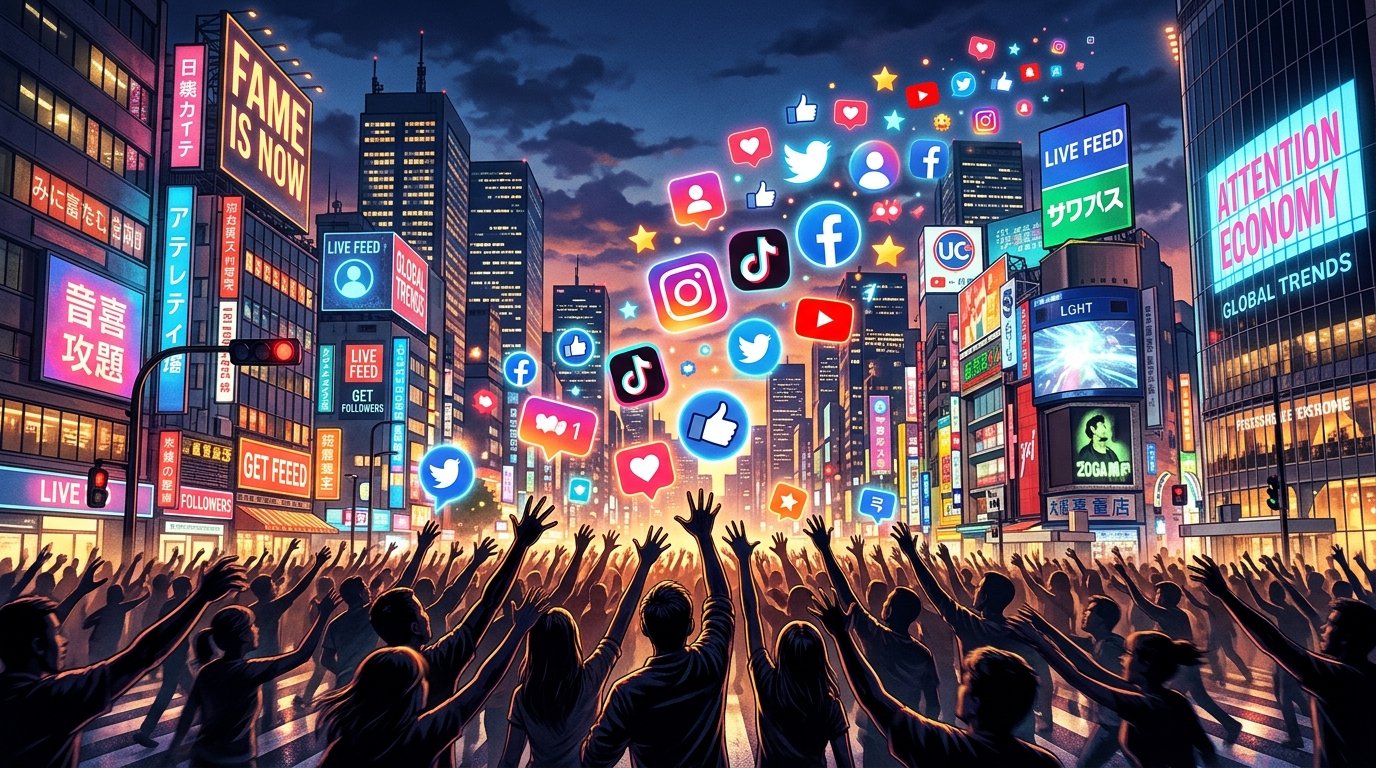
Imagine scrolling through your feed at 2 a.m. and stumbling upon yet another viral clip of a content creator doing something utterly outrageous. One day it’s a risky stunt gone wrong, the next it’s a public meltdown or a boundary-pushing prank that leaves everyone talking. This is the world of influencers gone wild, where the chase for likes, views, and sponsorships turns creators into spectacles. Far from random chaos, these moments often stem from the very mechanics of the platforms that made them famous.
In today’s creator economy, staying relevant means constantly upping the ante. But at what cost? This article dives into the systemic pressures, psychological drivers, and cultural ripple effects behind these digital dramas. We’ll unpack why audiences can’t look away and what it all means for the rest of us glued to our screens.
What Fuels the Phenomenon of Influencers Gone Wild?
The term influencers gone wild captures creators who push ethical, behavioral, or legal limits in pursuit of attention. Think dangerous challenges, staged controversies, or personal scandals that explode online. It’s not just a few bad apples. It’s a pattern baked into how social media works.
Platforms like TikTok, Instagram, and YouTube reward high-engagement content. Algorithms prioritize videos that spark strong emotions (shock, outrage, laughter). Creators quickly learn that tame posts get buried, while wild ones rocket to millions of views. This creates a feedback loop where extreme behavior gets amplified.
Consider the attention economy. Your time and focus are the currency. Creators compete in a saturated market with millions of others posting daily. To stand out, many escalate. A simple dance video might get okay numbers, but one involving a risky dare or public confrontation? That’s gold for the algorithm.
Key drivers include:
- Algorithmic incentives: More drama equals more watch time and shares.
- Financial pressure: Many influencers rely on brand deals, merch, and ad revenue that dry up without consistent virality.
- Parasocial relationships: Fans feel connected, encouraging creators to share (or fake) ever-more-intimate or shocking moments to maintain that bond.
This isn’t accidental. It’s the natural outcome of a system designed to maximize engagement at all costs.
The Psychology Behind Pushing Boundaries
Why do creators risk it all? Human psychology plays a huge role. Fame, even digital, triggers dopamine hits from likes and comments. Over time, tolerance builds, much like any addiction. Creators need bigger thrills to get the same rush.
Many start with genuine passion but shift toward performative behavior as metrics take over. The need for validation mixes with fear of irrelevance. In the creator economy, fading from the spotlight feels like professional death. So, they test limits.
Audience psychology matters too. We watch influencers gone wild because it offers schadenfreude (pleasure from others’ misfortune) or a sense of superiority. It also satisfies our curiosity about the “real” person behind the curated feed. Scandals humanize larger-than-life figures while providing endless discussion fodder.
Common psychological traps for creators:
- Clout chasing: Prioritizing short-term virality over long-term reputation.
- Echo chambers: Surrounded by yes-men or competitive peers who normalize extremes.
- Burnout and desperation: Constant content demands lead to poor decisions under pressure.
It’s easy to judge from the outside. But imagine your livelihood depending on strangers’ fleeting attention. The incentives warp judgment.
Real-World Examples: When Creators Go Too Far
History is full of cautionary tales. Logan Paul’s controversial 2017 forest video in Japan sparked global outrage and lost him deals, yet he rebounded through savvy pivots. More recently, cases from 2025 highlight ongoing issues like faked giveaways, inappropriate fan interactions, and risky stunts.
Colleen Ballinger (Miranda Sings) faced serious grooming allegations in 2023, leading to tour cancellations and damaged trust. David Dobrik’s Vlog Squad saw major fallout from misconduct claims tied to their wild content style.
These aren’t isolated. Beauty influencers like James Charles have weathered multiple dramas involving feuds and allegations, losing millions of subscribers temporarily before clawing back. On TikTok, dangerous challenges continue to surface despite platform warnings.
What ties them together? Many involve crossing lines for content. Pranks without consent, misleading promotions, or personal revelations timed for maximum impact. Platforms often respond slowly, only acting after public pressure mounts.
How Viral Algorithms Reward Extreme Behavior
Algorithms aren’t neutral. They optimize for engagement signals: comments, shares, rewatches, and dwell time. Outrage and novelty win. A neutral lifestyle post might get 10% engagement. A provocative one? Easily double or triple that.
This rewards performative behavior. Creators optimize for the For You Page or Explore tab by studying trends and doubling down on what pops. Short-form video platforms accelerate this, with virality happening in hours.
Comparison of platform dynamics:
- TikTok: Fast virality through sounds and challenges. High risk of rapid spread for wild content.
- Instagram: Visual spectacle and Reels favor aesthetic extremes or dramatic stories.
- YouTube: Longer formats allow deeper storytelling around scandals, sustaining attention.
The result? A race to the bottom where boundaries erode. One creator’s success with edgy content inspires copycats, normalizing it across the ecosystem.
The Creator Economy: Promises vs. Reality
The creator economy was sold as empowering. Anyone with a smartphone could build a business. Billions in revenue later, the dark side shows. Most creators earn little while a tiny top tier thrives. This inequality fuels desperation.
Sponsors flock to high-engagement accounts, often overlooking red flags until scandals hit. Then they drop influencers swiftly for brand safety. This boom-bust cycle encourages short-term thinking.
Youth impact stands out. Young audiences idolize these figures, absorbing messages that fame justifies anything. Studies and observations link exposure to unrealistic standards, mental health strains, and risky behavior imitation.
Online Accountability and Cancel Culture
Cancel culture aims to hold influencers responsible. Sometimes it works, forcing apologies or policy changes. Other times, it spirals into pile-ons that blur accountability with mob justice.
Public scandals trigger swift consequences: lost followers, demonetization, doxxing. Yet recovery is possible with good crisis management. The system lacks nuance. Minor missteps get treated like major offenses, while some big players weather storms due to resources.
This creates a chilling effect. Creators self-censor or go hyper-cautious, while others lean into “anti-woke” or defiant personas for niche appeal.
Societal Impacts: Beyond the Screen
Influencers gone wild shapes broader culture. It normalizes toxic internet culture, where privacy erodes and everything becomes content. Mental health suffers on all sides (creators face anxiety and burnout; audiences deal with comparison and desensitization).
Economically, it drives the attention economy but raises questions about sustainability. As platforms tweak algorithms, creators adapt, sometimes in unhealthy ways.
For youth, the message can be damaging: authenticity is optional if shock value pays. Parents and educators grapple with guiding younger generations through this landscape.
Breaking the Cycle: What Needs to Change?
Platforms could prioritize quality signals over pure engagement. Better creator support, mental health resources, and transparent algorithms would help. Influencers might set personal boundaries, diversify income, and focus on value over virality.
Audiences play a part too. Choosing to engage thoughtfully rather than reward every spectacle shifts incentives.
Practical Advice for Navigating Influencer Culture
Here are five tips to engage more mindfully:
- Curate your feed: Follow creators who deliver substance, not just shock.
- Fact-check scandals: Look beyond headlines for context before sharing.
- Support ethical creators: Reward transparency and consistency with your attention and money.
- Take breaks: Limit exposure to reduce the pull of drama.
- Teach media literacy: Especially to younger viewers, discuss the behind-the-scenes pressures.
What’s your experience with influencers gone wild? Have you unfollowed someone after a scandal, or do you see it as harmless entertainment? Drop your thoughts in the comments. We’d love to hear how this affects your online world.
You May Also Like: Artofzoo: The Wild Story Behind This Viral Internet Search
FAQs
What does “influencers gone wild” really mean?
It refers to content creators who engage in extreme, controversial, or unethical behavior to boost visibility and engagement on social media.
Why do algorithms seem to promote scandalous content?
They are designed to maximize user time on platform. Emotional, surprising, or divisive posts drive more interactions, which platforms prioritize.
Are all influencer scandals genuine or mostly for attention?
Many mix real issues with performative elements. Some are authentic mistakes amplified online, while others appear staged for clout. Context and evidence matter.
How does this affect young viewers?
It can distort views of success, relationships, and normal behavior, potentially leading to poor mental health or imitation of risky actions.
Can influencers recover from going too far?
Yes, many do through apologies, time, and rebranding. Success depends on the scandal’s severity and their response.
What role do brands play in encouraging this?
Brands chase high-engagement influencers for reach, sometimes ignoring risks until backlash forces them to cut ties.
How can I consume influencer content more responsibly?
Diversify sources, question motives behind viral moments, and prioritize creators who add real value over entertainment alone.