 By Bemi Brooks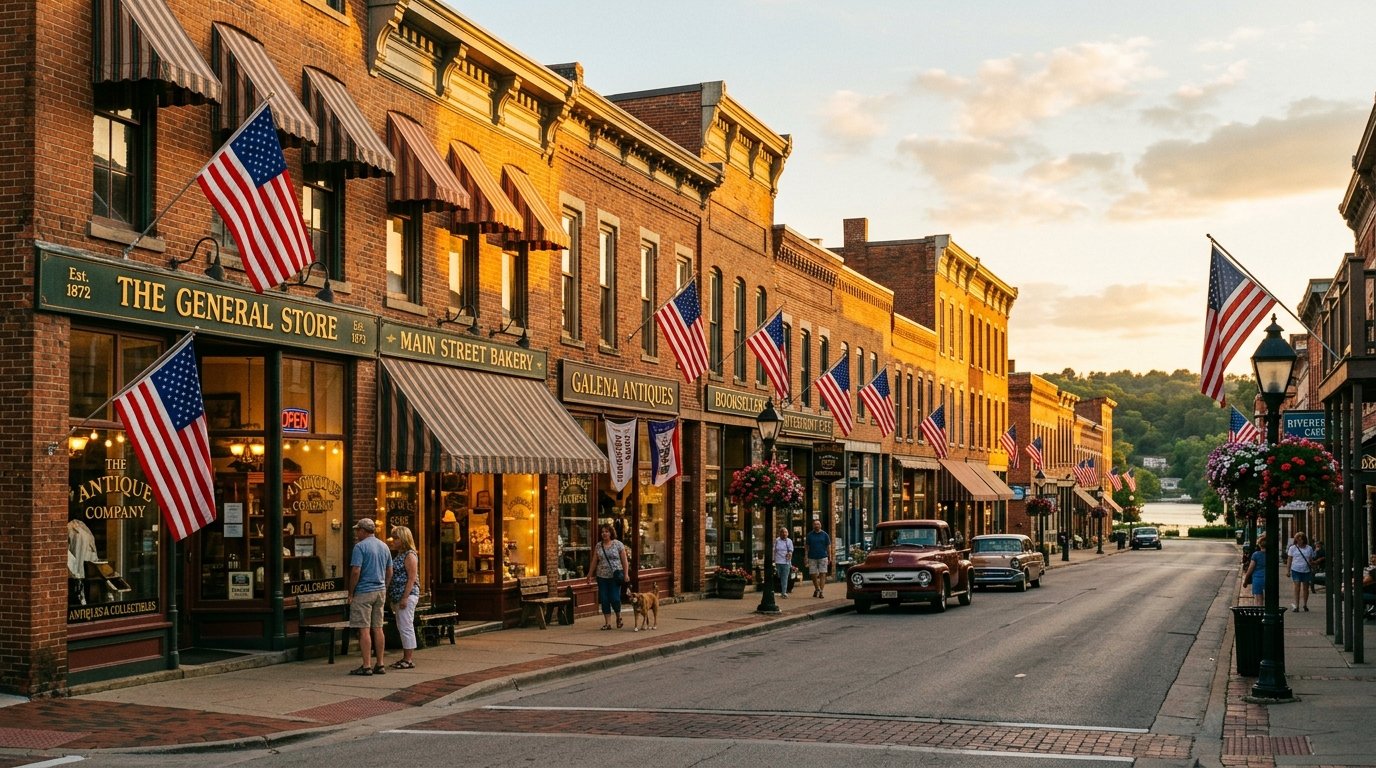
Have you ever rolled through a quiet Main Street at dusk and spotted a boarded-up storefront or an old gas station whose pumps have sat silent for decades? Most folks see decay. Mike Wolfe sees something else entirely. He sees a building that still has stories to tell and a town that still has a heartbeat worth fighting for. That vision sits at the heart of the mike wolfe passion project, a personal mission that grew out of his years on American Pickers and now focuses on saving the very structures that give small-town America its soul.
Mike did not set out to become a preservationist. He started as a picker who loved unearthing rusty treasures and forgotten objects. Over time that same instinct, that same ability to spot hidden value, led him to bigger finds: entire buildings. Today his work in places like Le Claire, Iowa, and Columbia, Tennessee, proves that passion plus patience can turn neglected corners into places people want to gather, shop, and stay awhile.
What Exactly Is the Mike Wolfe Passion Project?
At its core the mike wolfe passion project is simple. Mike takes historic buildings that many people have written off and gives them new life while keeping their original character intact. He does not gut them and start over. He listens to what the walls already know and then finds respectful new uses for them.
Think of it like adaptive reuse with heart. An old service station becomes a lively community spot. A 19th-century grocery store gets fresh paint and new neighbors. A former car dealership turns into retail space that draws visitors instead of sitting empty. Each project keeps the patina, the original wood, the stories, and adds just enough modern function so the building can keep earning its keep for another generation.
Mike has talked openly about wanting to restore historic structures in communities across many states, one building at a time, each with its own tale to share. It is not about chasing numbers. It is about showing that these places matter and that regular people, not just big developers, can step up and protect them.
From Picker to Preservationist: How the Passion Grew
Mike Wolfe grew up in Iowa with a single mom and a habit of noticing things other people overlooked. As a kid he pulled a discarded bicycle out of the trash and fixed it up. That same curiosity later took him and his buddy Frank Fritz down back roads for American Pickers, hunting barns and basements for Americana.
Picking taught him two powerful lessons. First, most “junk” still carries someone’s story. Second, when you give an old thing a new purpose, you keep that story alive. After years of traveling and buying, Mike realized the same idea applied to buildings. An empty storefront on Main Street is just a bigger version of that rusty sign or vintage motorcycle he used to chase.
He started small in his hometown of Le Claire, Iowa, even running for city council so he could help protect the historic downtown. That hands-on involvement showed him how one person’s stubborn belief can ripple outward. Soon the passion project expanded to Columbia, Tennessee, where Mike has lived part-time and poured real energy (and real dollars) into downtown buildings that needed a champion.
Le Claire, Iowa: The Place That Started It All
Le Claire sits on the banks of the Mississippi River, and it holds a special spot in Mike’s story. This is where he first bought and restored old buildings, where he opened his Antique Archaeology store, and where he learned that preservation and community pride go hand in hand.
One standout example is the Green Tree Grocery Store, built in 1860. Mike bought it years ago and has continued caring for it, recently giving the exterior a fresh coat of its original white while protecting more than 80 percent of the historic wood siding. The building still feels like it belongs to the town, not like a polished museum piece.
Another early win was an 1857 structure that now houses a busy bicycle shop on the ground floor. Upstairs, thoughtful updates created space for overnight guests. Mike also took on a 1947 Chevy dealership, turning the old showroom into fresh retail space that serves as a kind of flagship for downtown energy.
More recently he has been finishing the Two Lanes Guesthouse right in Le Claire, creating a welcoming spot for travelers who want to experience the river town’s slower pace. Every project keeps the original bones and adds just enough new life so the building can keep working for the community.
Columbia, Tennessee: Fresh Energy in Middle Tennessee
Columbia, about 45 minutes south of Nashville, has become another canvas for the mike wolfe passion project. Mike saw potential in several downtown properties and got to work.
The crown jewel so far is a 1940s Esso service station. What once pumped gas now hosts outdoor seating, a fire pit, neon that glows at night, and space for people to gather. Locals and visitors alike call it Revival, and it has quickly become a place where community happens naturally.
Mike also restored the Columbia Motor Alley, a former Chevrolet dealership from the late 1940s. The big building now mixes retail, event space, and rental opportunities. He has turned other historic homes and lofts into comfortable short-term stays that let travelers experience Columbia’s growing historic district firsthand.
These projects did not happen overnight. They required patience with historic zoning boards, collaboration with skilled local tradespeople, and a willingness to invest time and money without expecting instant returns. The payoff shows up in foot traffic, new businesses nearby, and a renewed sense of pride among residents who see their town’s story being honored instead of erased.
Adaptive Reuse: Why It Works So Well
Adaptive reuse simply means taking an old building and finding a smart new use for it instead of tearing it down. Mike’s version of it stands out because he refuses to strip away the character that makes the place special.
He keeps original brick, worn wood floors, old signage, and even some of the honest wear that tells you the building has lived a life. Then he adds modern touches like good lighting, updated plumbing, or outdoor gathering areas so the space can actually support today’s needs.
The results speak for themselves. A tired gas station becomes a place where families meet for coffee and live music. An empty dealership becomes a spot where artisans can sell their work. These changes bring economic energy without bulldozing the past. They also create jobs for local craftsmen, carpenters, painters, and historians who know how to work with old materials.
Mike often works with people who still practice traditional skills. That collaboration keeps those trades alive and gives each restored building an authentic feel that shiny new construction can rarely match.
What the Mike Wolfe Passion Project Teaches All of Us
You do not need a TV show or deep pockets to borrow from Mike’s approach. His work highlights a few simple truths that apply anywhere.
Old buildings are community anchors. When they disappear, part of the town’s identity goes with them. When they stay and adapt, they give people reasons to slow down, connect, and remember where they came from.
Preservation is not about freezing a place in time. It is about respectful evolution. Mike shows that you can honor history while still making room for new memories and new businesses.
Storytelling matters. Every building Mike touches gets its story told, whether through social media, on-site details, or conversations with visitors. That storytelling turns a restored storefront into a destination and turns casual visitors into people who care about the town’s future.
Finally, one person’s passion can spark bigger change. Mike did not wait for a government program or a big developer. He started with what he could control, one building at a time, and invited others to join the effort.
3 Practical Ways You Can Bring the Same Spirit Home
- Walk your own Main Street with fresh eyes this weekend. Take photos of buildings that still have good bones even if they look tired. Share them with neighbors or your local historical society and start a conversation about what could be possible.
- Support the craftspeople and small businesses already doing the work. Buy from local makers, hire preservation-minded contractors when you can, and champion businesses that choose to locate in historic spaces instead of new strip malls.
- Tell the stories. Whether you post on social media, write a short piece for a community newsletter, or simply chat with visitors, keep the history alive. People protect what they understand and love.
The mike wolfe passion project proves that America’s forgotten towns are not actually forgotten. They are waiting for someone to notice them again. Mike Wolfe just happened to notice first, and he decided to do something about it.
What forgotten corner of your town deserves a second chance? The next chapter might be closer than you think.
You May Also Like: Luxury Villas Italy Le Collectionist: The Ultimate Guide
FAQs
What is the Mike Wolfe passion project really about?
It is Mike Wolfe’s personal effort to restore historic buildings in small towns, giving them respectful new uses while protecting their original character and stories. It grew naturally from his work on American Pickers and his belief that old places still have value.
Which towns has Mike focused on the most?
Le Claire, Iowa, his hometown along the Mississippi River, and Columbia, Tennessee, have seen the biggest attention so far. He has also shown interest in other historic spots and carries a vision of helping communities in many states.
Can regular people visit or stay in these restored buildings?
Yes. Several properties now operate as short-term rentals or welcome visitors. The Antique Archaeology store in Le Claire is open to the public, and spots like the revived Esso station in Columbia host community events and gatherings.
How does adaptive reuse actually work on these old buildings?
Mike keeps as much of the original structure, materials, and patina as possible, then carefully adds modern function. Examples include turning old service stations into gathering spots and former dealerships into mixed retail and event spaces without erasing their history.
Why does this kind of preservation matter today?
Historic buildings give towns identity and draw heritage tourism. They support local jobs, reduce waste from new construction, and create gathering places that strengthen community bonds. When these buildings thrive, the whole town often feels more alive.
Is Mike Wolfe still doing American Pickers while working on buildings?
Yes. He continues to appear on American Pickers while also pouring energy into restorations, new storytelling projects, and spending more time back in Le Claire. The two passions actually feed each other.
How can someone without Mike’s resources get started on similar work?
Start small. Research your town’s historic buildings, join or form a local preservation group, support businesses that choose historic locations, and simply talk about why these places matter. Many successful projects begin with one person asking good questions and refusing to let a building disappear quietly.