 By Bemi Brooks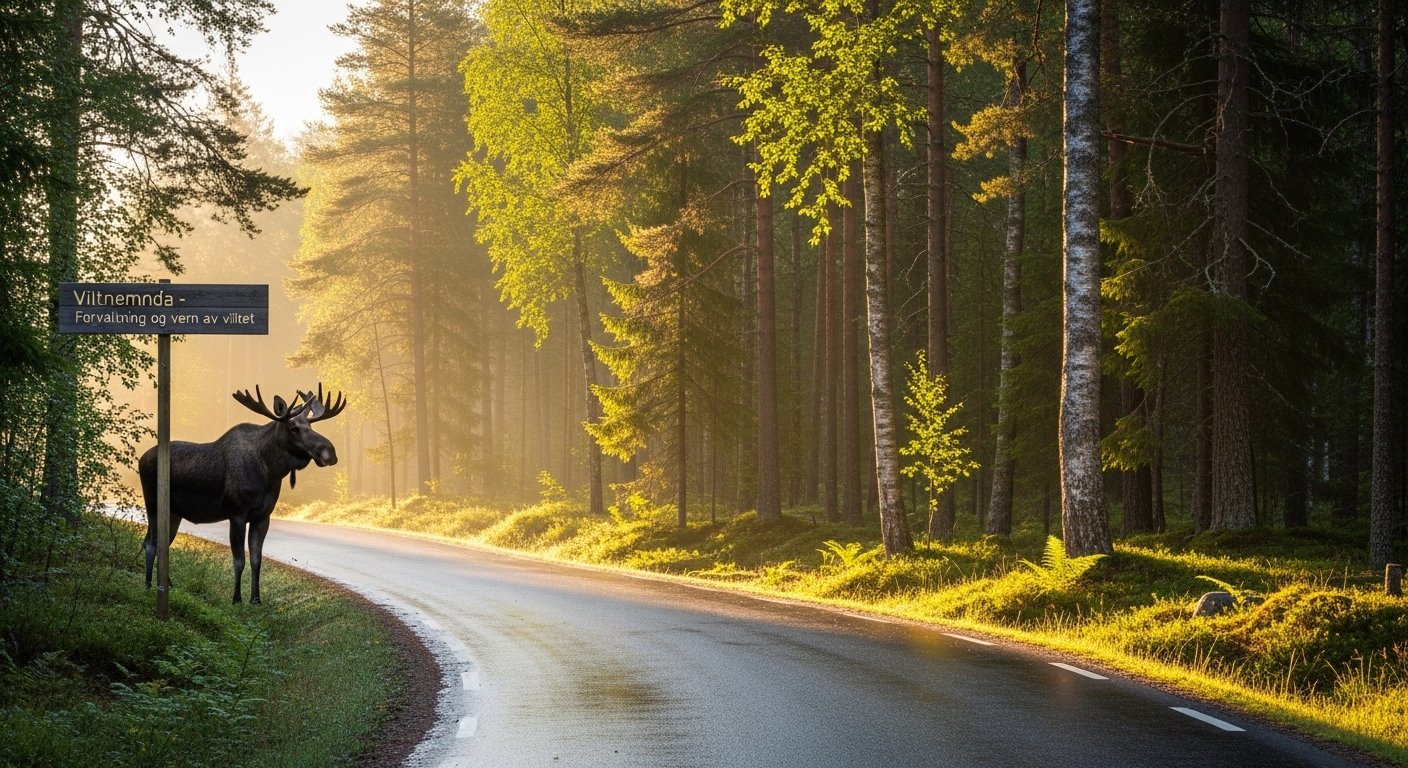
Imagine driving along a winding Norwegian road at twilight when a deer darts from the forest edge. Your brakes squeal, but the impact happens anyway. In that moment of adrenaline and concern, one local body steps in to handle the situation safely and humanely: the viltnemnda. This municipal wildlife board quietly keeps Norway’s ecosystems balanced, supports hunters, protects farmers’ fields, and safeguards public roads. Far from some distant government office, the viltnemnda operates right in your community, turning national wildlife laws into practical, on-the-ground action.
The term viltnemnda comes straight from Norwegian roots. “Vilt” means wildlife or game animals, while “nemnda” means committee or board. Put together, it refers to the local wildlife management committee that every Norwegian municipality maintains. These boards sit at the heart of viltforvaltning, or wildlife management, ensuring that biodiversity thrives alongside everyday human life. Whether you hunt, farm, hike, or simply enjoy nature, the viltnemnda shapes how we share space with moose, deer, foxes, and countless other species.
What Exactly Is the Viltnemnda?
At its core, the viltnemnda functions as a locally appointed group that translates Norway’s Wildlife Act (Viltloven) into real decisions for your municipality. Each of Norway’s 356 municipalities has one, usually formed by members chosen by the local council. Some places keep a dedicated elected committee, while others fold the responsibilities into a broader environmental or technical board. Either way, the focus stays the same: sustainable management that respects both ecological balance and community needs.
Think of the viltnemnda like the neighborhood council for nature. National authorities set the big-picture rules, but the viltnemnda knows the local forests, fields, and fjords best. They monitor animal numbers, set practical limits on hunting, and respond when wildlife and people cross paths. This local touch makes Norway’s system stand out. It keeps decisions close to the people who live with the consequences every day.
A Brief History of Viltnemnda in Norway
Wildlife management in Norway stretches back centuries to when survival depended on smart hunting and respect for nature’s limits. As the country industrialized in the 20th century, habitat loss and overhunting threatened species. The modern framework took shape with the Wildlife Act of 1981, which emphasized sustainable use and conservation.
A key turning point came in 1993. Responsibility for day-to-day viltforvaltning shifted from central state organs to the municipalities. This change empowered local governments to tailor solutions to their unique landscapes, whether coastal, mountainous, or inland. Over time, the viltnemnda evolved from purely regulatory bodies into proactive partners in biodiversity efforts. Today they blend traditional hunting culture with modern science, data from population surveys, and collaboration with landowners and outdoor groups.
How the Viltnemnda Operates Within Municipal Administration
The viltnemnda works hand in hand with your local kommune (municipality). They report to the council but operate with a fair degree of independence on technical matters. Funding often comes through the national wildlife fund (viltfond), built partly from hunting license fees. This money supports habitat improvements, compensation for crop damage, and emergency responses.
In practice, board members draw on input from hunters’ associations, farmers, biologists, and even traffic authorities. They review annual wildlife counts, consult ecological data, and propose plans that the full municipal council may approve. The result feels collaborative rather than top-down, which explains why Norway maintains healthy populations of large game while minimizing conflicts.
Viltnemnda Roles and Responsibilities: The Heart of Local Wildlife Management
The viltnemnda wears many hats, but everything circles back to keeping ecosystems healthy and communities safe. Here are the main areas where they make a real difference.
Population control and biodiversity. Board members track species numbers through surveys and hunter reports. They set goals that prevent overpopulation (which can lead to starvation or disease) while avoiding declines that hurt biodiversity. For example, in areas with booming moose numbers, the viltnemnda might recommend higher harvest quotas to protect young forests and reduce road hazards.
Hunting regulations and licenses. One of the most visible tasks involves viltnemnda influence on hunting licenses. They help organize local hunting areas, approve quotas for species like elk (elg), red deer (hjort), and roe deer, and ensure seasons align with breeding cycles. Hunters apply through the municipality, and the board’s decisions directly affect who can hunt where and how many animals they may take. This system supports sustainable traditions while protecting the resource for future generations.
Human-wildlife conflict resolution. Farmers sometimes lose crops to hungry deer or geese. The viltnemnda steps in by assessing damage claims and releasing compensation from the wildlife fund. They also advise on preventive measures, such as fencing or habitat adjustments, so problems decrease over time.
Handling injured animals and traffic accidents. This is where many residents first encounter the viltnemnda. If you hit a deer or find an injured wild animal (called fallvilt), the process is straightforward and reassuring. Call the police emergency number 02800 immediately. Officers notify the local viltnemnda or the dedicated wildlife response team (often called fallviltvakt). Trained responders with tracking dogs locate wounded animals to end suffering quickly and humanely. They also remove carcasses that pose traffic or health risks. In recent years, Norway has seen thousands of such incidents annually, particularly involving deer and moose, making this service vital for road safety.
Broader environmental protection. Beyond immediate tasks, the viltnemnda contributes to municipal planning. They comment on development projects that might affect habitats and promote measures like wildlife corridors under roads or bridges. Their work supports overall ecological balance and helps Norway meet national and international conservation targets.
To visualize the scope, picture a simple flowchart in an infographic: arrows flow from “National Wildlife Act” down to “Municipal Viltnemnda,” then branch into boxes labeled “Hunting Quotas,” “Population Monitoring,” “Conflict Resolution,” “Fallvilt Response,” and “Habitat Advice.” A final arrow loops back to “Healthy Ecosystems and Safer Communities.” Such diagrams appear in many municipal wildlife plans and make the process easy to grasp at a glance.
Real-World Impact: How Viltnemnda Touches Daily Life
Consider a farmer in rural Telemark whose barley fields suffer from grazing roe deer. He contacts the viltnemnda, which investigates, approves compensation, and suggests planting alternative forage areas nearby. Or picture a family on a Sunday drive who reports a limping moose along the E6 highway. Within hours, the local team responds, ensuring both animal welfare and driver safety.
Outdoor enthusiasts benefit too. Responsible hunters receive clear guidelines and feel confident their activities support conservation. Hikers enjoy trails where balanced populations mean fewer surprise encounters with aggressive animals. Even urban dwellers in growing municipalities see indirect gains through better green-space planning that respects wildlife corridors.
Some people mistakenly believe the viltnemnda exists only to restrict hunting. In truth, the board champions sustainable use. They value hunting as a tool for population control and a link to cultural heritage. At the same time, they protect species during vulnerable seasons and promote education so everyone understands the reasons behind the rules.
Practical Tips for Interacting with Your Local Viltnemnda
Curious about your area’s board? Start by visiting your municipality’s website and searching for “viltnemnda” or “viltforvaltning.” Most publish contact details, annual reports, and current hunting quotas. For urgent matters like injured animals or roadkill, always begin with the police at 02800. They coordinate quickly and free you from guessing whom to call next.
If you farm or own land, reach out early about potential conflicts. The viltnemnda often provides free advice and can connect you with funding for protective measures. Hunters should check local regulations each season because quotas and zones can shift based on the latest population data.
Why the Viltnemnda Matters More Than Ever
In a world facing climate shifts and habitat pressure, strong local governance like the viltnemnda offers a proven model. It keeps decisions grounded in real conditions while aligning with bigger goals of wildlife conservation and public safety. By blending science, tradition, and community input, these boards help Norway maintain its reputation as a place where nature and people coexist successfully.
Next time you spot a majestic moose or hear stories of successful deer management in your valley, remember the viltnemnda working quietly behind the scenes. Their dedication ensures that Norway’s wild heritage stays rich for hikers, hunters, farmers, and families alike.
Key Takeaways
- The viltnemnda is your municipality’s hands-on wildlife management committee.
- It balances hunting, conservation, conflict resolution, and emergency response.
- Contact the police (02800) for injured animals or traffic incidents; they link directly to the board.
- Local decisions on quotas and funds directly support biodiversity and reduce human-wildlife tension.
- Getting involved or simply staying informed helps everyone enjoy healthier ecosystems.
What will you try first? Check your local kommune website for upcoming hunting rules, or simply keep the 02800 number handy for peace of mind on the road. Either way, you now know the vital role the viltnemnda plays in keeping Norway’s wilderness alive and well.
You May Also Like: What Is Dihward? Your Essential Guide to Integrity-Driven Strategy
FAQs
What does viltnemnda mean?
It literally means “wildlife committee” or “game board” in Norwegian and refers to the municipal body responsible for local wildlife management.
How does viltnemnda influence hunting licenses?
The board helps set quotas, define hunting zones, and approve local permits so harvests stay sustainable and match population levels.
Who do I contact for an injured animal or deer collision?
Call the police emergency line 02800 right away. They notify the viltnemnda or local response team immediately.
Does the viltnemnda only deal with hunting?
No. While hunting forms a big part of their work, they also manage conflicts, compensate farmers, protect habitats, and respond to traffic accidents.
How can I find my local viltnemnda?
Search your municipality’s official website for “viltnemnda” or “viltforvaltning.” Contact details and current plans are usually posted there.
What is the history of viltnemnda in Norway?
Formalized under the 1981 Wildlife Act, responsibility moved from state to municipal level in 1993 to allow more tailored, community-based decisions.
How does viltnemnda support biodiversity?
Through population monitoring, habitat advice in planning processes, and funding projects that improve living conditions for wild species.