 By Bemi Brooks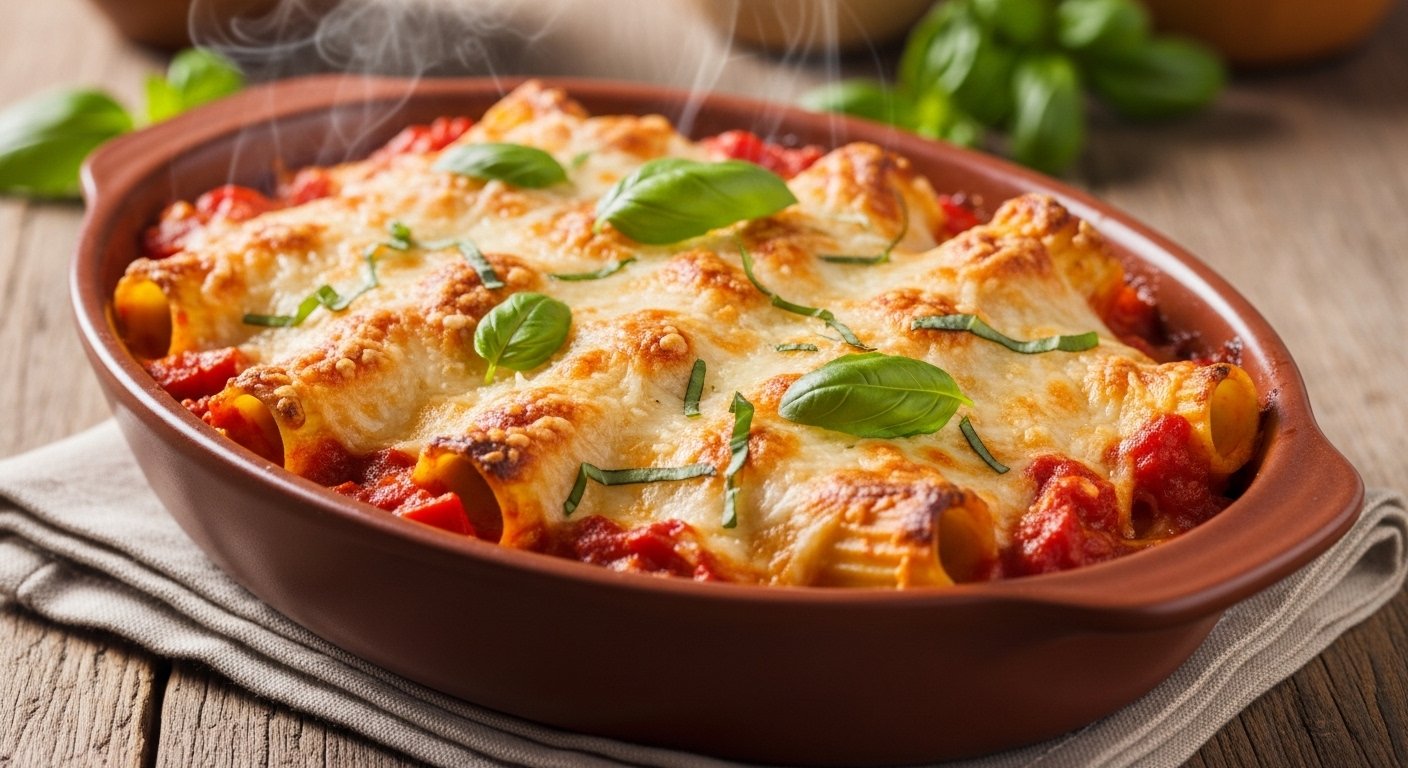
Have you ever craved a meal that feels like a big hug from your nonna? One bite of mannacote delivers exactly that. This hearty stuffed pasta brings together tender homemade shells, creamy ricotta filling, and slow-simmered tomato sauce in a dish that has warmed Italian tables for generations. Whether you are a home cook exploring traditional pasta recipes or a foodie hunting for rustic Mediterranean cuisine, mannacote belongs in your kitchen.
I still remember the first time I pulled a bubbling pan of mannacote from the oven. The aroma of garlic, basil, and melting cheese filled the room, and everyone gathered around the table like it was a holiday. That is the beauty of this dish. It turns an ordinary evening into something special.
What Is Mannacote?
Mannacote is a classic example of Italian comfort food at its finest. Think large pasta tubes or delicate crepes rolled around a savory filling, then baked until the edges turn golden and the sauce bubbles. In many Italian-American households, it goes by the name manicotti, but the heart of the recipe stays true to old-world techniques passed down through families.
Unlike quick weeknight pastas, mannacote invites you to slow down. You prepare the components with care, layer them thoughtfully, and let the oven work its magic. The result? A comforting casserole that feeds a crowd and creates memories around the table.
The Rich History of Mannacote and Italian Culinary Heritage
Mannacote traces its roots to the sun-drenched kitchens of southern Italy. Early versions evolved from cannelloni, those elegant rolled pasta sheets filled with meats or cheeses. When Italian immigrants arrived in America, they adapted the dish using what they had on hand. Some families swapped dried pasta tubes for thin crespelle (crepes) because the homemade dough gave a lighter, more delicate texture.
This evolution reflects the beauty of Italian culinary heritage. Recipes changed slightly with each new home, yet the spirit remained the same: simple ingredients transformed through love and patience into something greater than the sum of its parts. Today, mannacote appears on Sunday supper tables from New York to Naples, proving that good food travels well across oceans and generations.
You might wonder why this particular pasta became such a beloved regional delicacy. It is all about the balance. The mild ricotta filling contrasts beautifully with the bright acidity of slow-cooked sauces. Add fresh herbs and a sprinkle of aged cheese on top, and you have a dish that feels both rustic and refined.
Essential Ingredients for Authentic Mannacote
Great mannacote starts with quality ingredients. Here is what you will need for a classic version that serves six to eight people:
- For the shells or crepes: All-purpose flour, eggs, milk, and a pinch of salt. (Store-bought manicotti tubes work in a pinch, but homemade crepes taste far superior.)
- For the filling: Whole-milk ricotta, grated Parmesan, shredded mozzarella, eggs, fresh parsley, garlic, salt, and pepper. Some cooks add a handful of chopped spinach for color and nutrition.
- For the sauce: Homemade or high-quality jarred marinara simmered with onion, garlic, olive oil, and a touch of red pepper flakes.
- Optional add-ins: Ground beef or Italian sausage for a heartier filling, or sautéed mushrooms for earthy depth.
Choose fresh herbs and full-fat dairy whenever possible. They make the difference between good and unforgettable.
Step-by-Step Guide: How to Cook Mannacote from Scratch
Ready to roll up your sleeves? This beginner-friendly process breaks down easily. You can prepare most parts ahead of time, which makes it perfect for busy cooks.
1. Make the crepes (or boil the pasta tubes): Whisk together flour, eggs, milk, and salt until smooth. Heat a lightly oiled nonstick pan and pour in just enough batter to coat the bottom. Cook for about 30 seconds per side until lightly golden. Stack the crepes with parchment paper between them so they stay pliable. If you prefer the classic tube route, cook manicotti shells according to package directions until just al dente, then drain and cool.
2. Prepare the savory filling: In a large bowl, combine ricotta, half the mozzarella, Parmesan, beaten eggs, minced garlic, chopped parsley, salt, and pepper. Mix gently with a fork until evenly blended but still a bit lumpy. Taste and adjust seasoning. For extra flavor, fold in wilted spinach or cooked ground meat.
3. Assemble the dish: Spread a thin layer of sauce across the bottom of a large baking dish. Place a generous spoonful of filling along the center of each crepe or inside each pasta tube. Roll or stuff gently, then nestle the pieces seam-side down in the dish. Cover everything with more sauce, sprinkle the remaining mozzarella and a little extra Parmesan on top, and dot with a few pats of butter for richness.
4. Bake to perfection: Preheat your oven to 375°F. Cover the dish with foil and bake for 25 minutes. Remove the foil and bake another 10 to 15 minutes until the cheese turns bubbly and golden. Let it rest for five minutes before serving so the layers settle.
The whole process takes about an hour and a half from start to finish, but most of that time is hands-off.
Common Mistakes to Avoid When Making Mannacote
Even experienced cooks run into a few pitfalls. Overcooking the pasta makes it mushy, so err on the side of underdone before baking. Overstuffing the shells can cause them to split open in the oven. And do not skip the resting period after baking. Cutting into it too soon lets all those delicious juices run out.
Another tip: season every layer. A bland sauce will drag the whole dish down, so taste as you go.
Delicious Variations: Meat, Vegetarian, and Healthy Twists
Mannacote shines because it welcomes creativity. For a meaty version, brown Italian sausage with garlic and mix it into the ricotta. Vegetarians can load up on spinach, mushrooms, or roasted eggplant. Want a lighter take? Swap half the ricotta for low-fat cottage cheese and add extra herbs for flavor.
Some families even create seafood mannacote with shrimp and crab in a light cream sauce instead of tomato. The possibilities feel endless once you master the basic technique.
Serving Suggestions for Family-Style Dining
Bring mannacote to the table straight from the oven in its baking dish. Pair it with a crisp green salad dressed in lemon and olive oil, plus plenty of crusty bread to soak up the sauce. A simple Italian red wine like Chianti complements the rich flavors beautifully.
Leftovers taste even better the next day. Reheat gently in the oven or microwave with a splash of water to keep everything moist.
3 Key Takeaways for Your Next Batch
- Homemade crepes or carefully cooked tubes give the best texture.
- Fresh herbs and quality cheese elevate a simple filling into something special.
- Slow-cooked sauces and proper resting time turn good pasta into unforgettable Italian comfort food.
What is one change you will make today? Maybe try the crepe method, or gather your family to help stuff the shells. Either way, you will create more than dinner. You will build a new tradition.
You May Also Like: The Art of Soutaipasu: A Guide to Its History and Flavors
FAQs
How do I cook mannacote from scratch for the first time?
Follow the step-by-step guide above. Start with simple crepes or store-bought tubes, prepare a basic ricotta filling, layer with sauce, and bake until bubbly. It is easier than it looks and very forgiving.
What are the best ingredients for authentic mannacote?
Whole-milk ricotta, fresh Parmesan, good-quality marinara, eggs, garlic, and parsley. Fresh herbs and full-fat dairy make all the difference in flavor and texture.
Is there a traditional Italian mannacote history I should know?
Mannacote evolved from Italian cannelloni and crespelle recipes brought to America by immigrants. It became a Sunday staple in Italian-American homes, blending old-country techniques with new-world ingredients.
Can beginners make mannacote successfully?
Absolutely. The recipe uses straightforward steps and common pantry items. Prep the components ahead, and you will have a restaurant-quality dish with minimal stress.
What are some healthy variations of mannacote?
Add spinach or kale to the filling, use part-skim cheeses, or incorporate roasted vegetables. You can even make a lighter sauce with fresh tomatoes and herbs instead of heavy cream.
Where can I find mannacote in Italy?
While the exact name mannacote is more common in Italian-American communities, look for similar stuffed pasta dishes like cannelloni or crespelle in southern Italian restaurants and family-run trattorias.
What are good serving suggestions for mannacote pasta?
Serve family-style straight from the baking dish with a green salad, garlic bread, and red wine. It pairs wonderfully with roasted vegetables or a simple antipasto platter.