 By Bemi Brooks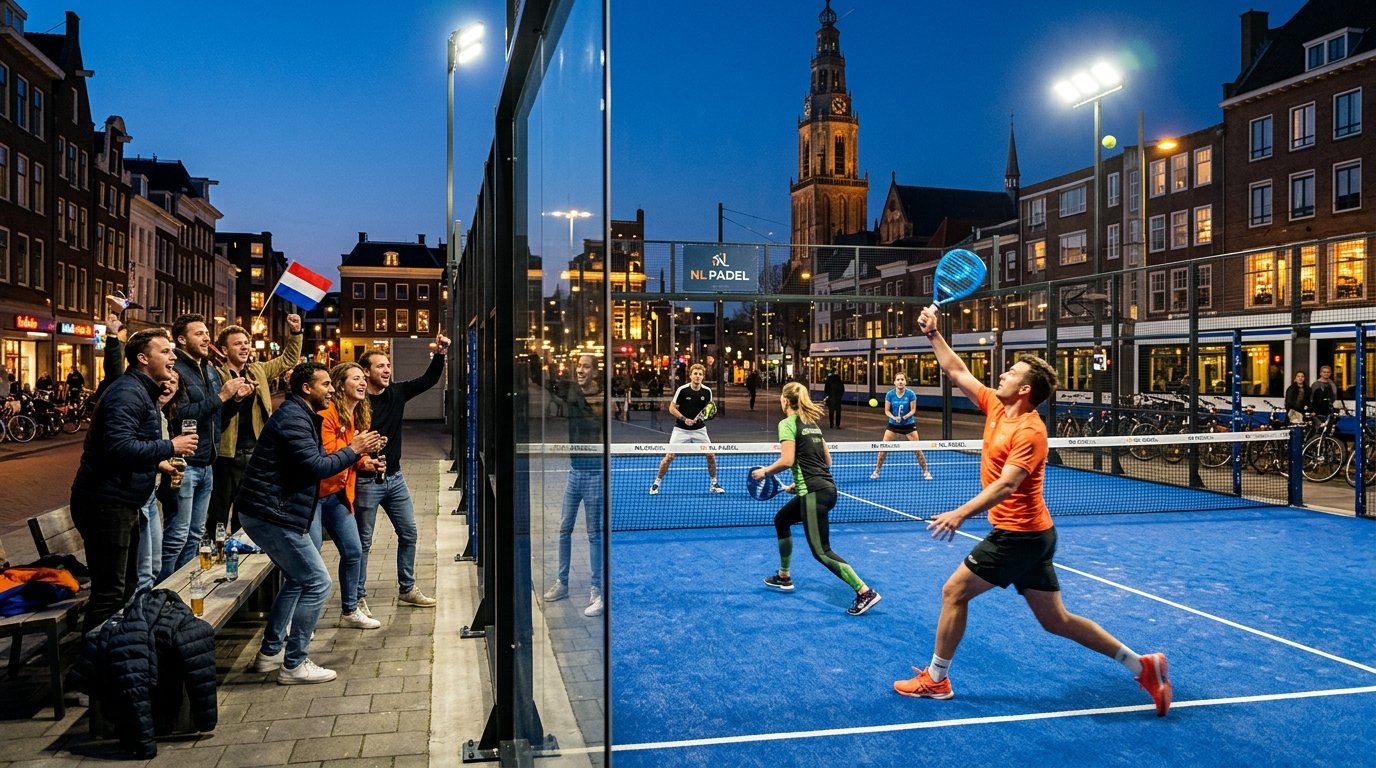
Have you spotted those sleek glass-walled courts popping up in Dutch parks, sports parks, and even converted spaces lately? That is the nlpadel movement in full swing. What started as a niche import has exploded into one of the Netherlands’ fastest-growing sports, blending the best of tennis and squash into a fast, social, and surprisingly accessible game. Whether you are a weekend tennis player, a busy professional looking for after-work fun, or a family seeking a new shared activity, nlpadel offers something special. This guide walks you through why it is booming, how the rules actually work, where to find courts, and exactly how to jump in yourself.
Why NLPadel is Booming Across the Netherlands
NLPadel has grown from a handful of courts in the mid-2000s to thousands today. According to the latest KNLTB and EY Padel in Cijfers report, 876,000 people played padel at least once in 2025. That kind of participation does not happen by accident.
Several factors drive the surge. The game is quick to pick up, even if you have never held a racket. Rallies last longer than in tennis because the walls keep the ball in play, so beginners enjoy longer points and more success right away. It is played almost exclusively in doubles, which turns every session into a social event filled with high-fives, strategy chats, and laughs.
Urban planning loves it too. Courts fit neatly into existing tennis clubs, fitness centres, and new leisure developments without needing huge amounts of space. Many tennis clubs have added padel as a smart way to attract younger members and keep facilities busy year-round with indoor options. Young professionals book evening slots the same way they might grab a quick gym class. Families appreciate that kids and adults can play together at similar levels. Fitness operators see it as a high-margin addition that drives membership and community events.
What began with early pioneers like Guus Hiddink installing a court at PSV Eindhoven has evolved into a nationwide phenomenon. Dutch Padel Week and national championships now draw thousands of fans and players. The sport has moved well past the hype stage into a stable, professionalising part of Dutch sports culture.
NLPadel Rules for Beginners: Simple, Social, and Surprisingly Strategic
You do not need to memorise a thick rulebook. NLPadel borrows tennis scoring but adds its own personality thanks to the enclosed court.
A standard padel court measures 20 by 10 metres and sits inside glass walls and metal mesh fencing. The net stands at the same height as a tennis net in the middle and slightly lower at the posts. Most play happens in doubles, though singles courts exist at some venues.
Serving happens underarm only. Stand behind the service line, bounce the ball once on the ground, and hit it at or below waist height. The serve must land diagonally in the opponent’s service box. After the bounce, the ball can hit the side or back wall and still be in play. That single rule change creates longer, more exciting rallies.
Scoring follows tennis exactly: 15, 30, 40, game. A set goes to six games with a two-game lead, or a tie-break at 6-6. Matches are usually best of three sets. The real fun comes from the walls. You can let the ball bounce off your own back glass wall before returning it, or use side walls for creative angles. Opponents must return the ball before it bounces twice. If it hits the net and still lands in the correct box on serve, it is a let, just like tennis.
Common beginner tip: Focus on placement and consistency rather than power at first. The walls reward smart positioning and teamwork far more than raw strength. Many former tennis or squash players say the transition feels natural within one or two sessions.
How to Find and Book NLPadel Courts in the Netherlands
Finding a court has never been easier. The official hub is nlpadel.nl, where you can search locations and read the latest news. For quick bookings, download the free KNLTB Meet & Play app. It lets anyone, member or not, find and reserve courts nearby, including pay-and-play options at many clubs.
Major cities offer plenty of choice. Amsterdam has several modern facilities, including popular spots like Peakz Padel. Bigger dedicated centres such as Leisure World Padel in Dronten feature 17 courts, while places like Dekker Zoetermeer and Tennis & Padel De Krekel offer 14-court complexes with strong community vibes. You will find indoor and outdoor courts across the Randstad and beyond, with new locations opening regularly.
Search by postcode in the app or on nlpadel.nl, filter for availability, and book by the hour. Many venues rent rackets and balls on site, so you can try before you buy. Peak times fill fast on weekday evenings and weekends, so book a day or two ahead when possible.
NLPadel Gear Tips: Keep It Simple When Starting Out
You need very little to begin. Most clubs rent rackets and balls for a small fee. When you are ready to invest, choose a padel-specific racket. These solid bats with holes differ from tennis rackets. Beginners usually prefer rounder shapes with a larger sweet spot for control and forgiveness. More advanced players pick diamond-shaped rackets for extra power.
Use official padel balls (they are slightly less pressurised than tennis balls). Wear comfortable sports clothes and court shoes with good lateral support. Many players start with whatever trainers they own and upgrade later. A spare overgrip and a small towel complete the kit for most recreational players.
Budget tip: Good beginner rackets start at reasonable prices, and many shops or clubs offer starter bundles. Focus first on court time rather than expensive gear.
Getting Involved: Leagues, Clubs, and Your First NLPadel Session
The easiest entry point is simply booking a court with friends or colleagues through the Meet & Play app. Many venues run beginner clinics or mixed social sessions where coaches pair players and explain basics on the spot.
For regular play, consider joining a local club. Most offer membership packages that include court time discounts plus access to ladders, leagues, and events. The KNLTB organises official competitions throughout the year (spring, summer, and autumn series) that clubs can enter with teams. You can also find casual ladders and social play organised directly at clubs or through apps.
If you run a fitness centre or sports club, adding even two or three padel courts can transform your offering. The sport attracts new demographics, creates evening and weekend buzz, and pairs beautifully with existing tennis programmes.
Start small. Book one court this weekend with two or three friends. Play a relaxed set, laugh at the inevitable mishits, and you will probably book the next slot before you leave.
3 Things to Try Tomorrow to Get Started with NLPadel
- Download the KNLTB Meet & Play app and search for courts within 10 km of your home or work.
- Text two friends and block a 60- or 90-minute slot this week. Most venues welcome complete beginners.
- Watch a short rules recap video on nlpadel.nl or KNLTB channels so you arrive confident.
NLPadel is not just another fitness trend. It is a genuine community builder that turns strangers into doubles partners and casual players into regulars. The glass walls do more than contain the ball. They create shared moments and visible fun that pulls people in.
What are you waiting for? Your first nlpadel court awaits.
You May Also Like: The Ultimate Guide to the UConn Boneyard Fan Community
FAQs
Is nlpadel easy for complete beginners?
Yes. The underarm serve and wall play make rallies longer and more forgiving than tennis. Most people enjoy proper points within their first session.
How do I find nlpadel courts in my area?
Use nlpadel.nl or the free KNLTB Meet & Play app. Search by location, check availability, and book instantly. Many clubs also welcome walk-ins or same-day reservations.
What is the difference between nlpadel and regular tennis?
NLPadel uses an enclosed court with glass walls, an underarm serve that bounces first, and allows play off the walls. Scoring stays the same, but the game feels faster and more social.
Can I play nlpadel singles?
Most play is doubles, but some venues have single courts. Doubles is the standard format and the most social way to enjoy the game.
Do I need my own racket to start?
No. Almost every club rents rackets and balls. Try a few sessions before deciding what equipment suits your style.
How much does it cost to play nlpadel?
Court hire usually ranges from affordable group rates per hour. Prices vary by location and time. Check the app or club websites for current rates. Many people split the cost with three friends.
How can I join a local nlpadel league?
Contact nearby clubs through nlpadel.nl or the Meet & Play app. Many run internal ladders and enter official KNLTB team competitions. Beginners often start in social or novice groups.